


Many traders start with Exnova because it feels simple and accessible. Over time, that simplicity can turn into a limitation. Execution rules feel unclear, risk control options stay narrow, and growth feels capped.
This is usually the moment traders realize the issue is not their strategy but the environment they are using. Better platforms offer clearer rules, stronger tools, and more consistency.
This guide breaks down five Exnova alternatives that traders often move to when they want more control and transparency.
Each platform below offers a different balance of structure, flexibility, and reliability, helping traders match their skills with a platform that actually supports long-term progress.
Top Exnova Alternatives Worth Considering
These platforms stand out because they offer clearer trading logic, stronger execution, and more flexibility without overwhelming the trader.
1. IQ Option
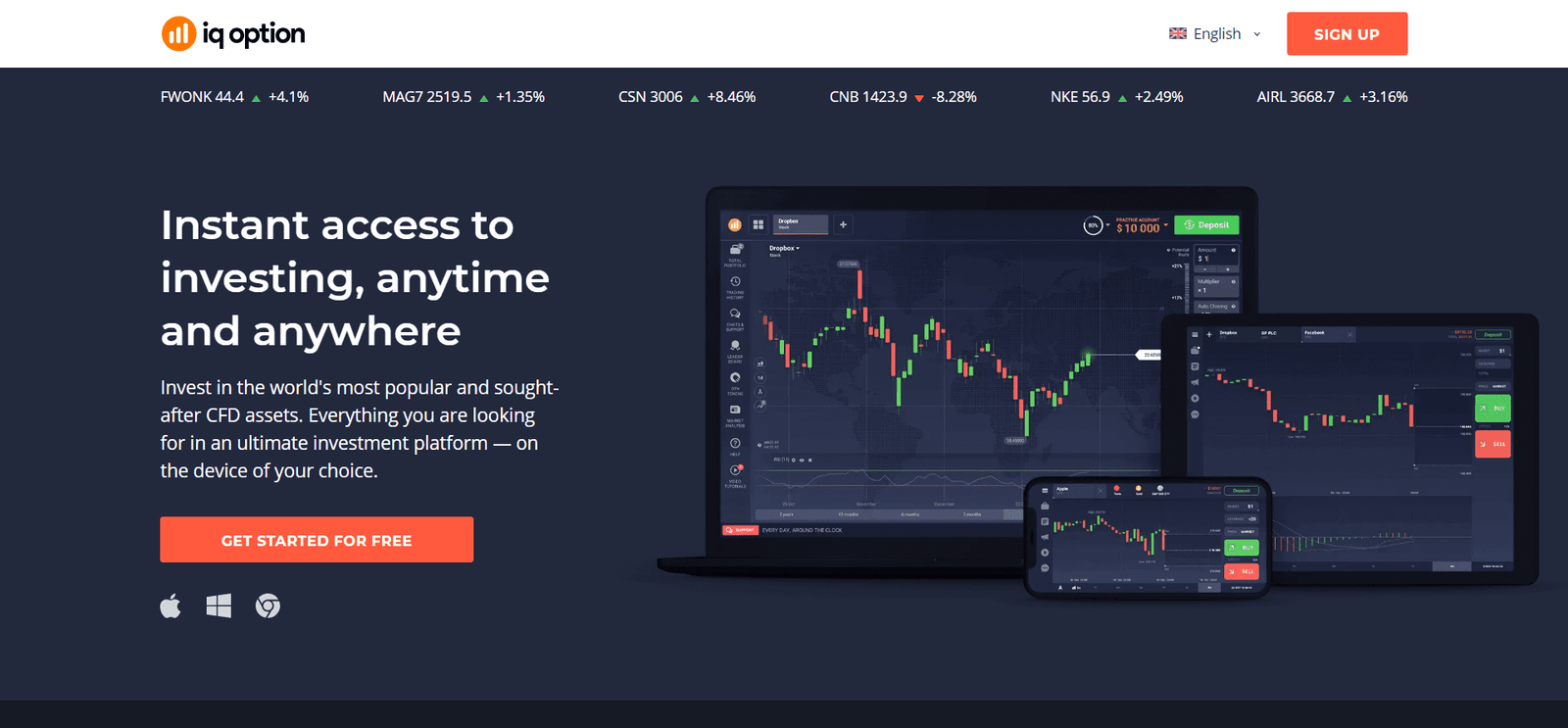
IQ Option appeals to traders who want a polished platform with reliable execution. The interface is clean, but the depth underneath is significant.
Traders gain access to multiple instruments, clear order behavior, and detailed charting tools. Risk management options allow better control over position sizing, which matters once trade volume increases.
Many Exnova users transition here because the platform feels familiar but far more refined.
2. Quotex
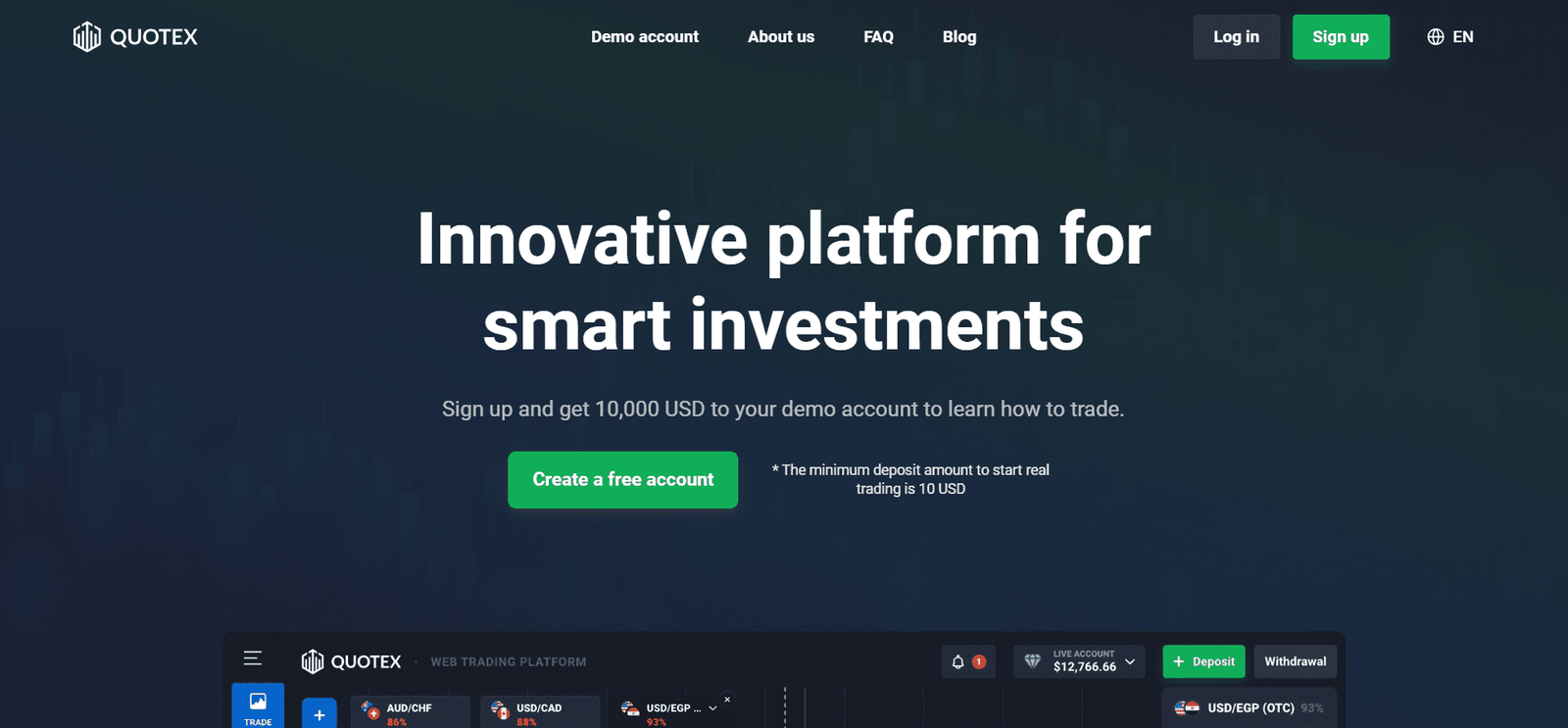
Quotex focuses on speed and clarity. The platform removes unnecessary distractions and keeps execution straightforward.
Trades are processed quickly, and the interface stays responsive even during high activity. Strategy-based traders appreciate how predictable the order behavior feels. Quotex often attracts users who value efficiency and want fewer platform-driven surprises.
3. Pocket Option

Pocket Option offers a balance between flexibility and accessibility. Traders can customize indicators, layouts, and execution preferences.
The platform supports a wide range of strategies without forcing rigid rules. Many traders see it as a step up because it allows experimentation while still maintaining structure.
This makes it appealing to users refining their trading approach beyond basic setups.
4. Olymp Trade

Olymp Trade emphasizes education and consistency. The platform integrates analytical tools and structured learning resources that support disciplined trading.
Execution remains stable, and the overall environment feels controlled rather than reactive.
Traders who focus on long-term improvement often prefer Olymp Trade because it supports steady skill development instead of quick wins.
5. Deriv

Deriv is designed for traders who want advanced flexibility. It provides access to multiple markets, automation tools, and different account types.
The platform suits traders who already understand risk management and want room to scale strategies. Many experienced traders move to Deriv once simpler platforms start feeling restrictive.
Key Factors to Evaluate Before Leaving Exnova
Switching trading platforms is a serious move – and the consequences go far beyond aesthetics or preference. The decision should be based on a clear set of performance, risk, and growth criteria. Here are five essential factors to evaluate before you make the transition:
1. Risk Management Controls
Effective trading begins with disciplined risk management. Before leaving Exnova, assess whether the new platform offers granular control over position sizing, leverage settings, stop-loss orders, and account-level limits.
These tools aren’t optional – they’re the foundation of long-term capital preservation. Look for customizable safeguards that let you adjust risk per trade without relying on manual calculations. A lack of risk configuration can expose you to avoidable losses.
2. Execution Transparency
One of the top frustrations traders report when switching platforms is slippage, delayed fills, or unexpected behavior during execution. A trustworthy platform should provide real-time order book data, clear trade confirmation, and historical execution logs.
If your trades aren’t filled as expected – or if there’s any ambiguity around pricing or spreads – your edge disappears. Prioritize platforms that offer documented transparency and consistent execution speed.
3. Platform Stability During High Activity
No trading system matters if the platform freezes during volatility. Stability must be tested during high-impact news events, market opens, and fast-moving conditions.
Before leaving Exnova, evaluate your new option’s historical uptime, server locations, and user reviews focused on outages or latency.
A crash during a critical position can wipe out gains – or worse, compound losses. You need a platform that performs under pressure.
4. Tool Availability and Charting Capabilities
Professional traders rely on advanced tools to analyze markets and react quickly. Look for platforms that support multi-timeframe charts, custom indicators, scripted alerts, and strategy backtesting.
Also verify if the charting engine integrates smoothly with your workflow – whether you’re scalping, swing trading, or using automated signals.
Leaving Exnova only makes sense if your next platform offers tools that either match or exceed what you currently use.
5. Scalability and Future Growth
Your next trading platform should support your development as a trader – not limit it. As your strategy evolves, you may need access to more assets, API connectivity, mobile/desktop sync, or multi-account management.
A platform that locks you into a narrow path will eventually force another migration. Evaluate how the new platform handles scaling up – and whether its infrastructure supports both manual and automated growth.
Frequently Asked Questions
What Makes an Exnova Alternative Better for Serious Traders?
Better alternatives provide clearer rules, stronger execution consistency, and more control over risk and strategy behavior.
Is Switching Platforms Risky for Active Traders?
Switching carries an adjustment period, but clear platforms reduce long-term execution risk.
Are These Platforms Beginner-Friendly?
Yes, most offer intuitive interfaces while still supporting advanced growth.
Can Exnova Strategies Work on These Alternatives?
Core concepts transfer well, but execution differences may require small adjustments.
Conclusion
Leaving Exnova often feels like admitting something is wrong with your trading. In reality, the issue is usually the platform itself.
Trading performance depends heavily on execution quality, risk control, and platform transparency. The alternatives covered here provide stronger foundations for serious traders who want consistency and room to grow.
Choosing the right platform is not about chasing features but about finding an environment that supports disciplined decision-making. Once traders align their skills with the right platform, results tend to stabilize and confidence returns.