


If you are looking for Bookmap alternatives, it usually means one thing: you like seeing what is happening behind the candles, but Bookmap feels too complex, too expensive, or too specialized for your daily workflow.
Order flow is powerful, but it is not the only way to understand liquidity, participation, and real buying or selling pressure alongside your broker or prop firm execution.
This guide looks at tools traders switch to when they want clearer execution insight, better usability, or broader market coverage without living inside a heatmap all day.
5 Bookmap Alternatives Traders Use Instead of Heatmaps
If Bookmap feels too visual, too intense, or too focused on raw order flow, these tools offer different ways to understand participation, momentum, and decision points.
Each one replaces the heatmap with a clearer workflow built around how traders actually plan, execute, and review trades.
1. Trade Ideas
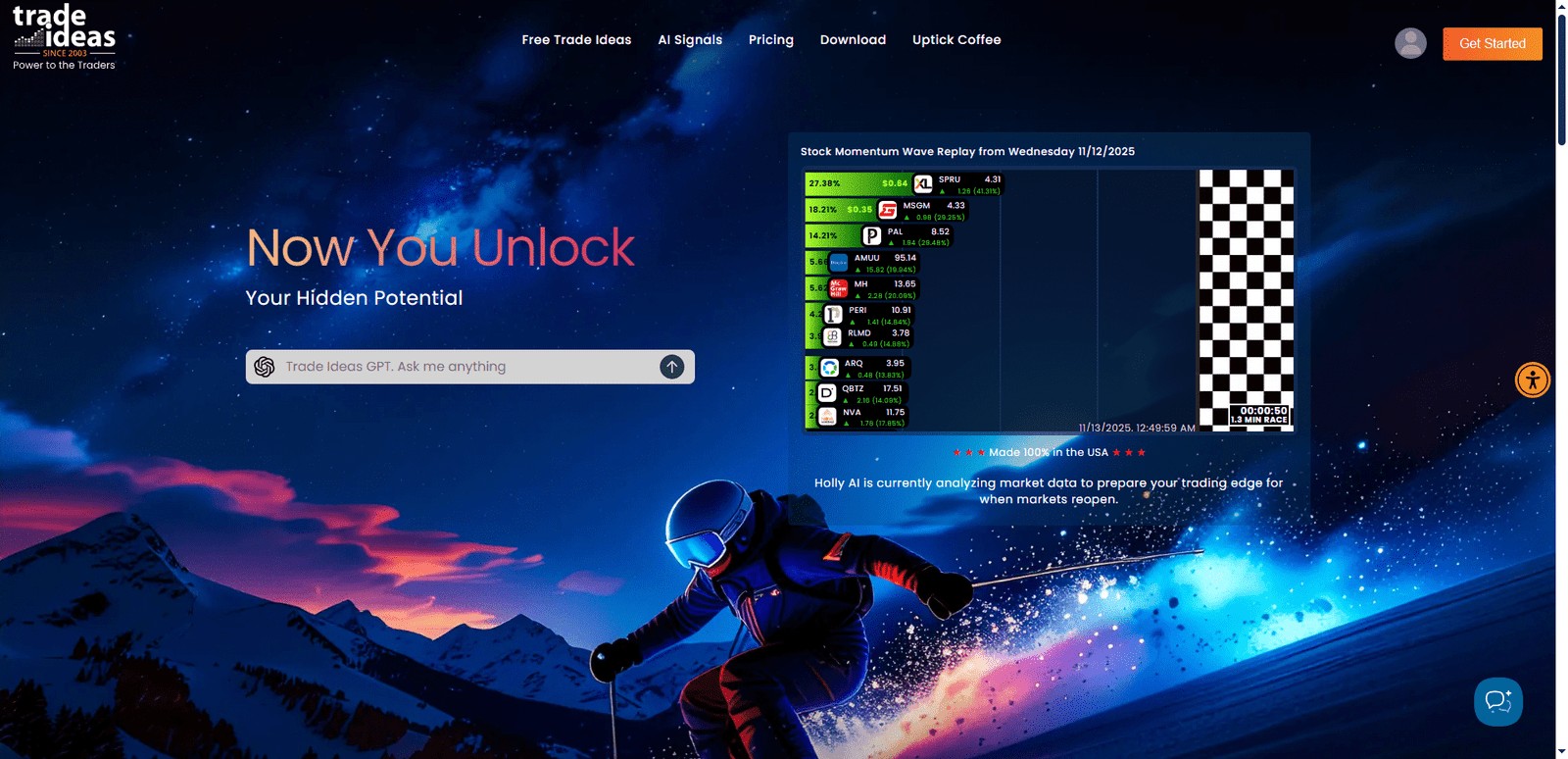
Trade Ideas approaches market insight from the opposite direction of Bookmap.
Instead of showing liquidity, it scans the entire U.S. stock market in real time to surface stocks already attracting attention.
Its strength lies in speed and filtering. You can detect unusual volume, volatility expansions, strong relative strength, and specific intraday patterns seconds after they appear.
This makes it popular with momentum traders and prop firm scalpers who do not want to analyze order flow manually.
While it does not explain why price moves at the micro level, it excels at telling you where traders are already active, which is often enough for fast decision-making.
Key Features
- Real-time market-wide scanners with custom conditions
- Intraday alerts based on volume, price, and volatility
- Built-in strategy logic for idea generation
2. Forex Tester Online
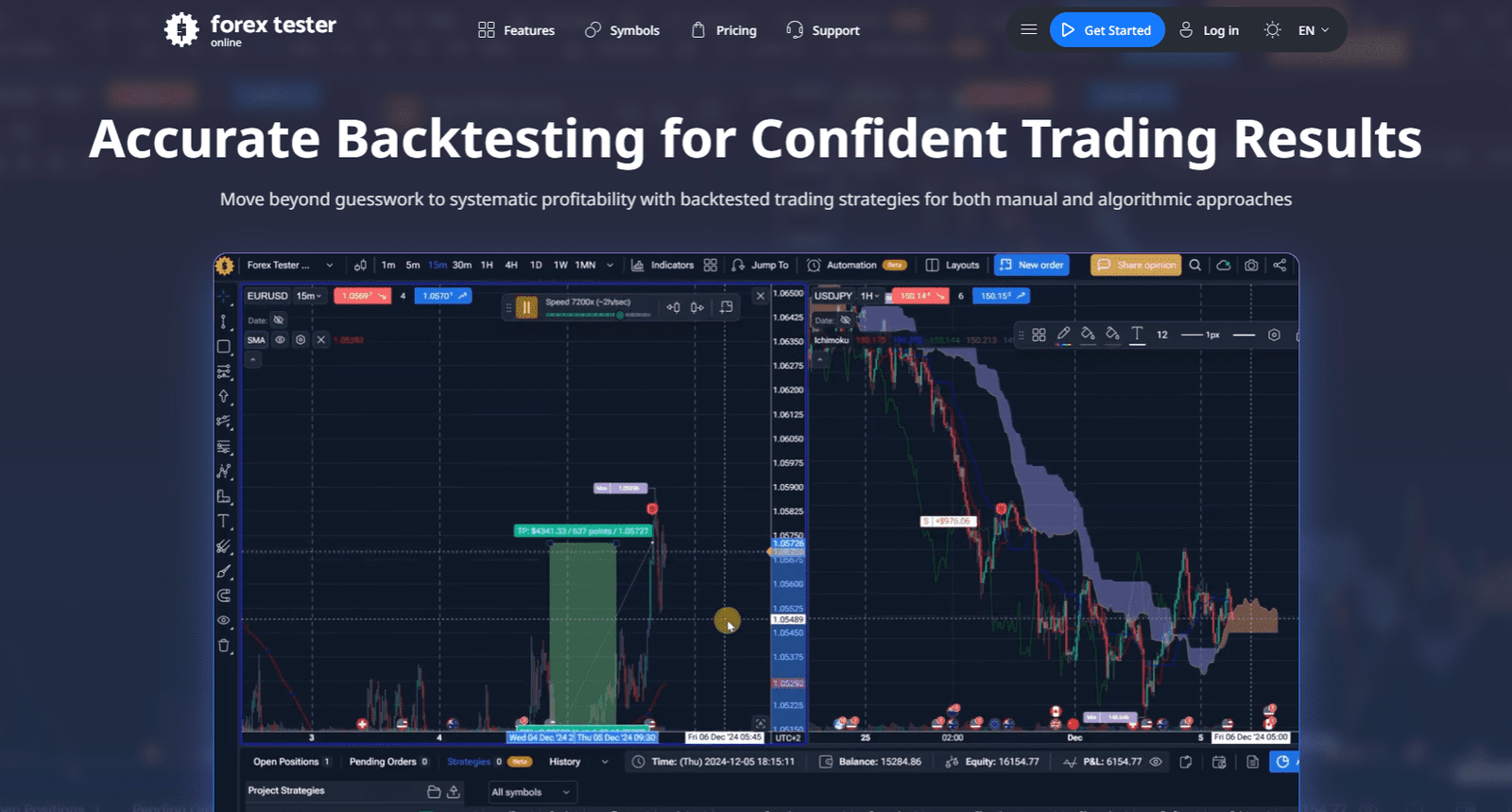
Forex Tester Online replaces live order-flow analysis with controlled, repeatable learning. It allows traders to replay historical markets candle by candle and execute trades as if they were live.
This is especially valuable for traders who find Bookmap overwhelming during live sessions but still want to understand timing, entries, and exits.
You can test how price reacts around session opens, news events, or key levels without risking capital.
Many traders use it to refine execution rules and risk management before trading live. It does not show liquidity in real time, but it builds confidence through data-backed repetition.
Key Features
- Historical market replay with realistic execution
- Detailed performance statistics and trade logs
- Multi-market support for strategy testing
3. TradingView
TradingView offers a cleaner, more flexible alternative for traders who want context instead of raw order flow.
While it does not visualize resting liquidity like Bookmap, it compensates with powerful charting, custom indicators, and alert systems.
Traders can analyze volume profiles, VWAP, and market structure across multiple timeframes to infer participation.
Its biggest advantage is adaptability. You can build a workflow that matches your strategy rather than adapting to a fixed visual model.
For discretionary traders, TradingView often feels calmer and more intuitive while still providing enough depth to make informed execution decisions.
Key Features
- Advanced charting with multi-timeframe analysis
- Custom indicators and alerts via Pine Script
- Broad market coverage across asset classes
4. TrendSpider
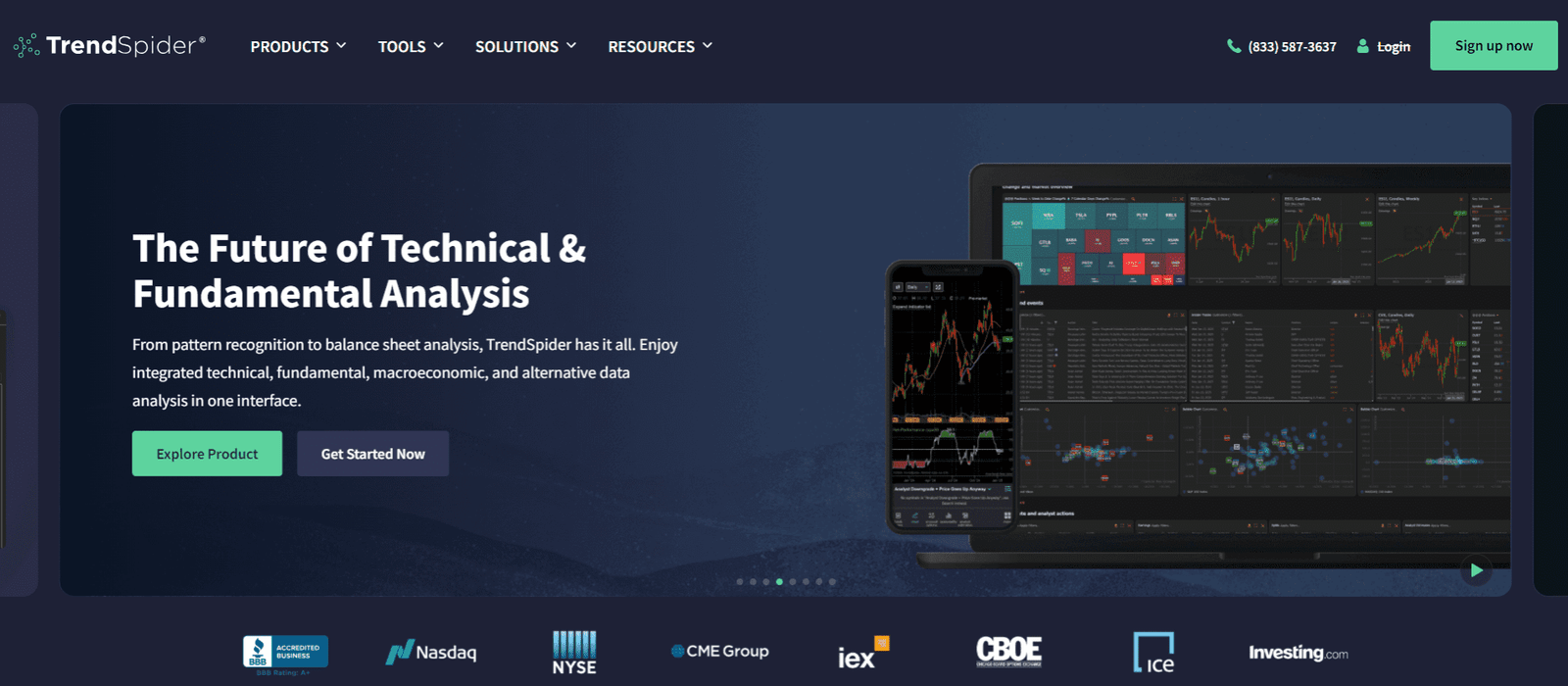
TrendSpider replaces manual chart analysis with automation.
Instead of watching liquidity shift tick by tick, it focuses on identifying statistically relevant levels and trends automatically.
Support, resistance, trendlines, and higher-timeframe structure are detected by the system, reducing subjectivity.
This appeals to traders who feel Bookmap requires constant attention and fast reactions. TrendSpider works best for traders who plan trades in advance and want confirmation that levels are technically valid.
It does not provide execution-level order flow, but it helps traders avoid emotional decisions by grounding trades in structured analysis.
Key Features
- Automated trendlines and key level detection
- Multi-timeframe technical analysis tools
- Strategy testing without coding
5. GoCharting
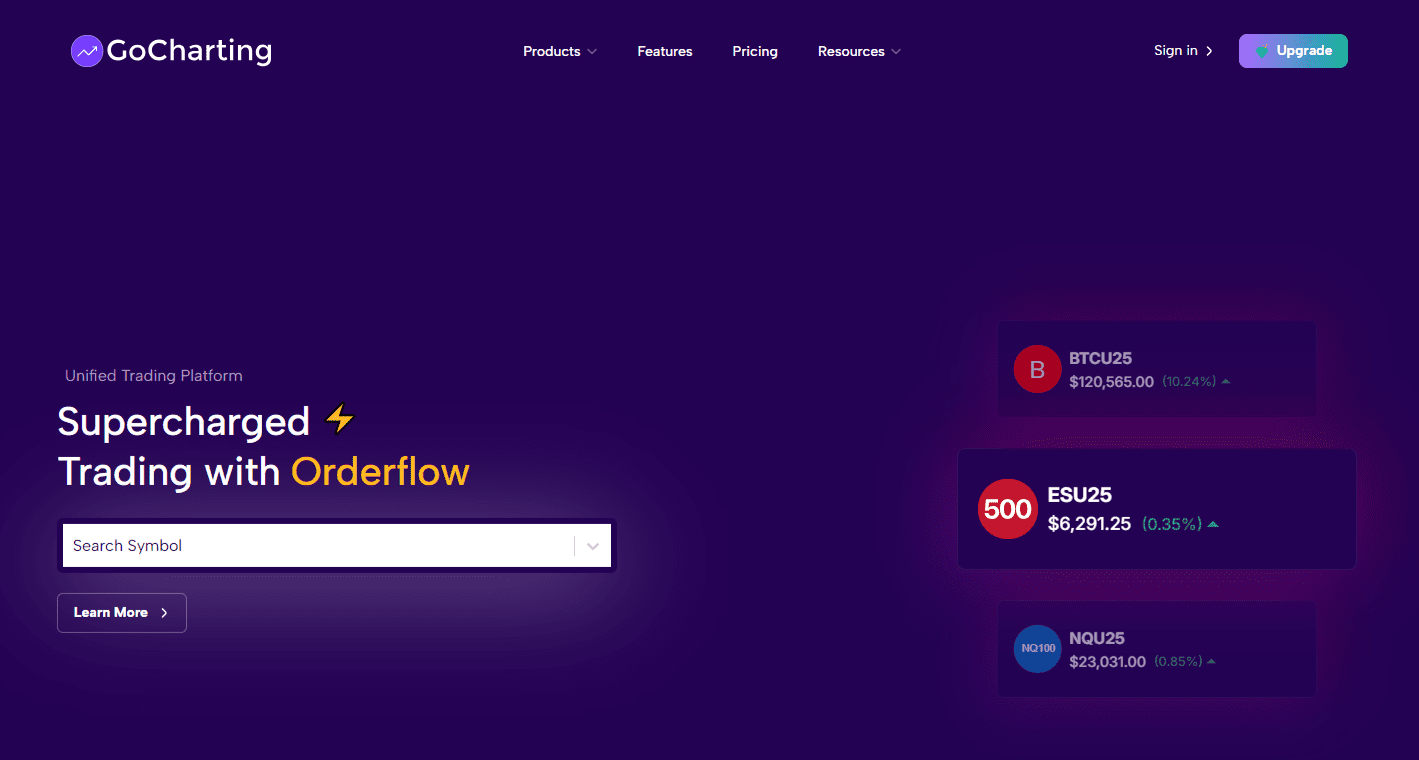
GoCharting sits closer to Bookmap in spirit but offers more traditional structure.
It provides footprint charts, volume profiles, VWAP bands, and delta tools without relying on heatmaps as the primary visual.
This makes it easier for traders who want order-flow insight but prefer charts over abstract visuals.
GoCharting is often used by futures and crypto traders who want to analyze aggressive buying and selling with clearer context.
It does not overwhelm the screen, and it runs smoothly in a browser, making it a practical choice for traders seeking depth without visual overload.
Key Features
- Footprint and volume-based chart types
- Market profile and VWAP analysis tools
- Lightweight, browser-based performance
Frequently Asked Questions
Is Order-Flow Trading Necessary to Become Consistently Profitable?
No. Many profitable traders never use order-flow tools at all. Consistency comes from risk control, repeatable setups, and discipline. Order flow can add clarity, but it is not a requirement. Plenty of traders succeed using structure, price behavior, and higher-timeframe context alone.
Why Do Some Traders Quit Heatmap-Style Platforms After Trying Them?
Heatmaps demand constant attention and fast interpretation. For some traders, this creates mental fatigue or hesitation during execution. Others find that too much information makes them second-guess decisions. When cognitive load becomes too high, performance often suffers instead of improving.
Can These Platforms Be Used Mainly for Learning, Not Live Trading?
Yes, and many traders do exactly that. Some tools are best used for preparation, replay, or review rather than live execution. Studying how price behaves in different conditions often leads to better real-time decisions, even if the tool is not open during live sessions.
How Do Traders Know When a Tool Is Helping Versus Distracting Them?
A tool is helping if it leads to clearer decisions and fewer emotional trades. If it causes hesitation, over-analysis, or missed entries, it may be doing more harm than good. The right platform should simplify decisions, not compete for your attention.
Final Thoughts
Bookmap is powerful, but it demands focus, speed, and comfort with heavy visuals.
Many traders simply work better with tools that offer structure, clarity, or controlled analysis instead. The best alternatives are not weaker, just different.
Some help you spot activity faster, others help you prepare better, and some reduce noise altogether.
When your platform matches how you think and trade, execution becomes smoother, and confidence grows naturally.