


Many active traders eventually reach a point where basic trading apps feel limiting. As strategies become more complex, the focus often shifts toward execution speed, advanced charting, and the ability to analyze ideas in depth rather than just placing simple trades.
TradeStation is a brokerage platform that has long positioned itself around that type of trader.
Instead of targeting casual investors, TradeStation emphasizes professional-grade tools, customization, and technical analysis across multiple asset classes.
This review looks at how TradeStation works, the trading experience it offers, how pricing is structured, and which types of traders are most likely to benefit from using the platform.
What Is TradeStation?
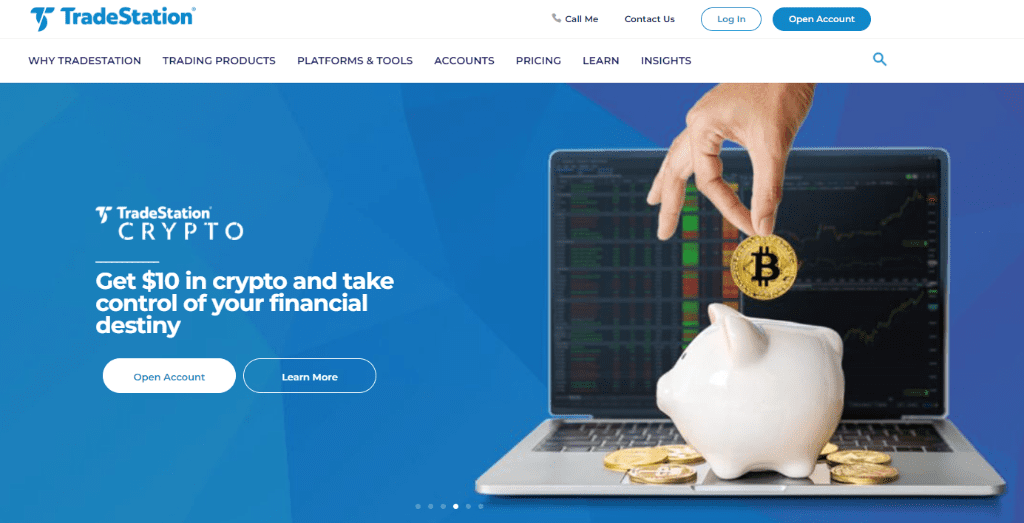
TradeStation is a U.S.-based online brokerage and trading technology company that provides access to stocks, ETFs, options, futures, futures options, bonds, and mutual funds.
It operates both as a brokerage and as a trading platform provider, with a strong emphasis on advanced analytics and strategy development.
Unlike platforms designed primarily for long-term investing, TradeStation is built around active trading. Its tools are designed to support frequent decision-making, detailed market analysis, and systematic trading approaches rather than simplified, hands-off investing.
The platform is commonly associated with experienced traders who value control, flexibility, and data-driven workflows.
How TradeStation Works
Users can open a TradeStation account online and fund it through standard transfer methods. Once funded, traders can access markets through TradeStation’s desktop software, web-based platform, or mobile app.
TradeStation supports multiple account types, including individual brokerage accounts and retirement accounts.
After account setup, users can place trades, manage positions, and monitor performance directly through the platform they choose.
In addition to trade execution, TradeStation integrates research tools, market data, and performance tracking into the trading environment. This allows traders to analyze markets and execute strategies without relying heavily on third-party software.
Platforms & Trading Experience
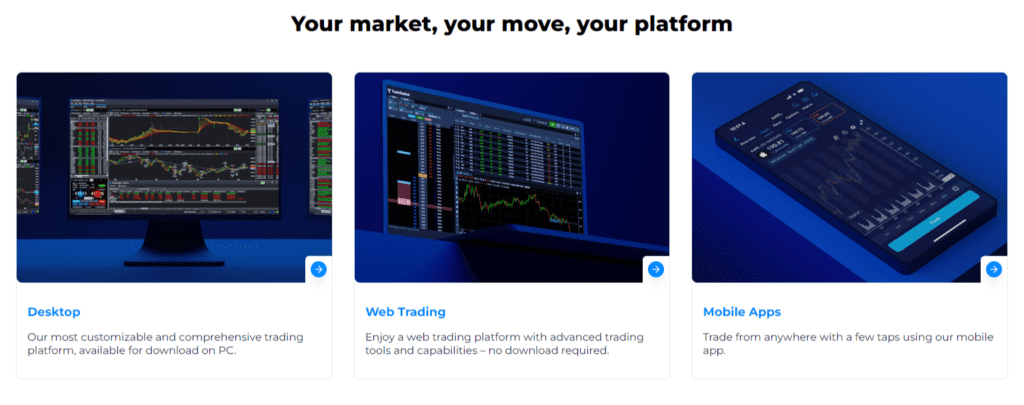
TradeStation offers several platforms designed for different levels of complexity.
The desktop platform is the centerpiece of the TradeStation experience. It provides advanced charting, customizable workspaces, technical indicators, and access to TradeStation’s proprietary scripting language, EasyLanguage.
This environment is designed for traders who want to build, test, and refine strategies over time.
Web and mobile platforms are also available for monitoring positions and placing trades with fewer technical requirements. These versions offer a more streamlined experience but still retain core functionality.
Because of the platform’s depth, new users may need time to become familiar with the interface.
However, the flexibility allows traders to adapt the setup to their preferred workflow once they are comfortable with the tools.
Pricing, Fees & Structure
TradeStation’s pricing structure varies by asset type and trading activity.
U.S.-listed stocks and ETFs can be traded commission-free for most retail traders when orders are placed online. Options trades involve per-contract fees, and futures contracts carry separate per-contract pricing.
Some fees are tied to account activity rather than individual trades. For example, certain accounts may be subject to inactivity fees if trading or balance thresholds are not met.
Mutual fund trades, transfers, and specific account services may also involve additional costs.
Because pricing can depend on how often and what you trade, TradeStation’s fee structure is generally better suited for traders who actively use the platform rather than those who place infrequent trades.
Rules & Limitations
TradeStation’s advanced functionality comes with a more complex fee and rule structure than simpler brokerage platforms. Traders need to pay attention to activity requirements, platform usage conditions, and product-specific fees.
Not all assets follow the same pricing model, and certain data feeds or services may carry separate costs.
Additionally, TradeStation is less focused on features like fractional shares or simplified portfolio tools that appeal to casual investors.
The platform is designed for self-directed traders, meaning there is limited emphasis on guided investing or automated portfolio management compared to more beginner-oriented brokers.
Who TradeStation Is Best For
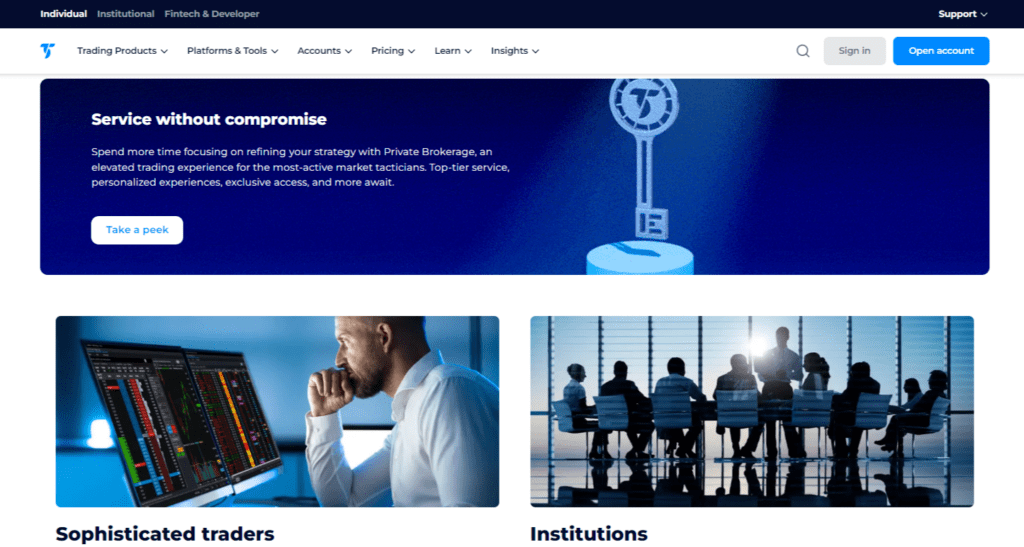
TradeStation is built for traders who prioritize advanced tools, customization, and hands-on control over simplicity.
It tends to fit users with specific trading needs rather than casual, occasional investors.
Active traders focused on technical analysis
TradeStation works well for traders who rely on detailed charts, indicators, and customizable layouts to support frequent decision-making.
Options and futures traders
The platform supports complex derivatives trading, making it suitable for traders who actively trade options, futures, or futures options.
Traders using automated or systematic strategies
TradeStation’s strategy development, backtesting tools, and scripting capabilities appeal to traders who build and test rule-based systems.
Experienced users comfortable with complex platforms
The platform is best suited for traders who are willing to manage a more advanced interface and understand activity-based fees.
Frequently Asked Questions
Does TradeStation Charge Commissions on Stock Trades?
U.S.-listed stocks and ETFs can be traded commission-free when orders are placed online, though other fees may still apply depending on activity and services used.
What Platforms Does TradeStation Offer?
TradeStation provides a desktop trading platform, a web-based platform, and a mobile app.
Are There Inactivity or Monthly Fees?
Some TradeStation accounts may be subject to inactivity or service-related fees if certain trading or balance requirements are not met.
Can You Trade Options and Futures on TradeStation?
Yes. TradeStation supports options, futures, and futures options trading in addition to stocks and ETFs.
Conclusion
TradeStation offers a powerful trading environment built around customization, analysis, and execution across multiple markets.
Its advanced desktop platform, broad asset access, and technical tools make it appealing to traders who take a hands-on, data-driven approach.
While the platform may feel complex for beginners and requires attention to fees and activity requirements, it delivers depth and flexibility that many active traders value.
For those who prioritize control and advanced functionality over simplicity, TradeStation remains a strong option.