


Most trading platforms fall into one of two categories. Some focus on ownership. Others focus on prediction. Plus500 belongs firmly in the second group.
It isn’t built for holding assets long term. It’s built for people who want to trade price movements, quickly and directly.
This review explains how Plus500 works in real use, how it feels day to day, what makes it different from crypto exchanges, and who should seriously consider using it.
What You’re Actually Trading on Plus500
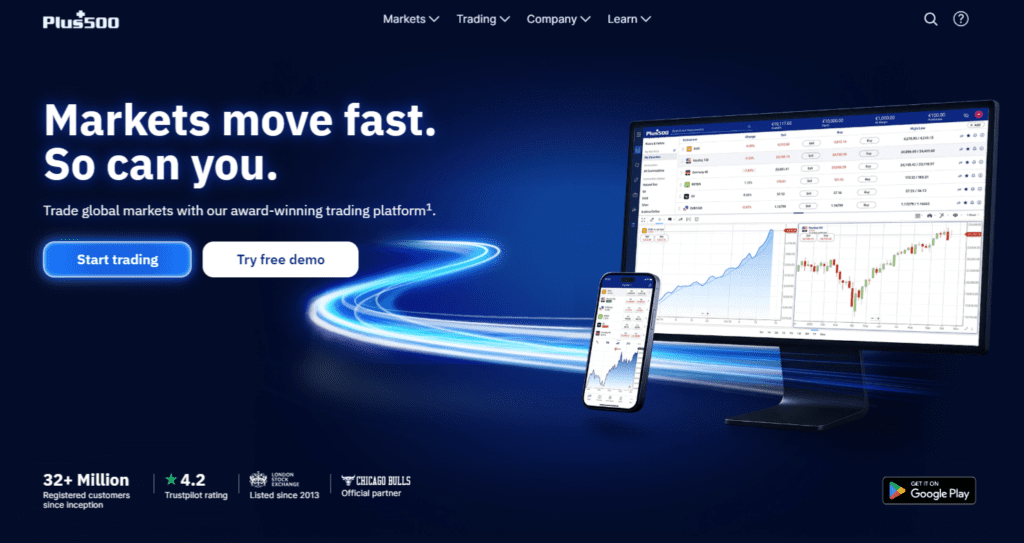
Plus500 does not sell real assets. No stocks. No crypto coins. No wallets. Everything happens through CFDs, which means contracts based on price movement.
That changes the mindset completely. Trades focus on direction, not ownership. Profit or loss depends on how prices move after a position opens.
This model allows:
- Going long or short easily
- Trading multiple markets from one account
- Avoiding custody, transfers, or storage concerns
It also means there’s no long-term holding strategy here. Positions close. Trades settle. Results appear fast. People who understand that difference tend to enjoy Plus500 more.
First-Time Experience and Setup Flow
Signing up feels structured and controlled. Identity checks are mandatory and detailed. That process takes time, but it also signals regulation and oversight.
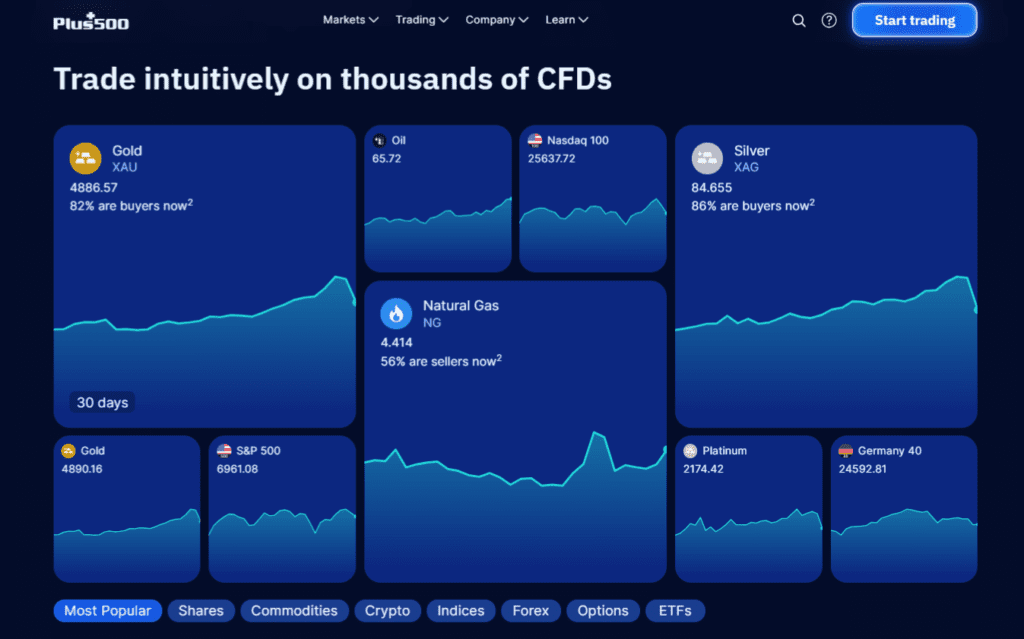
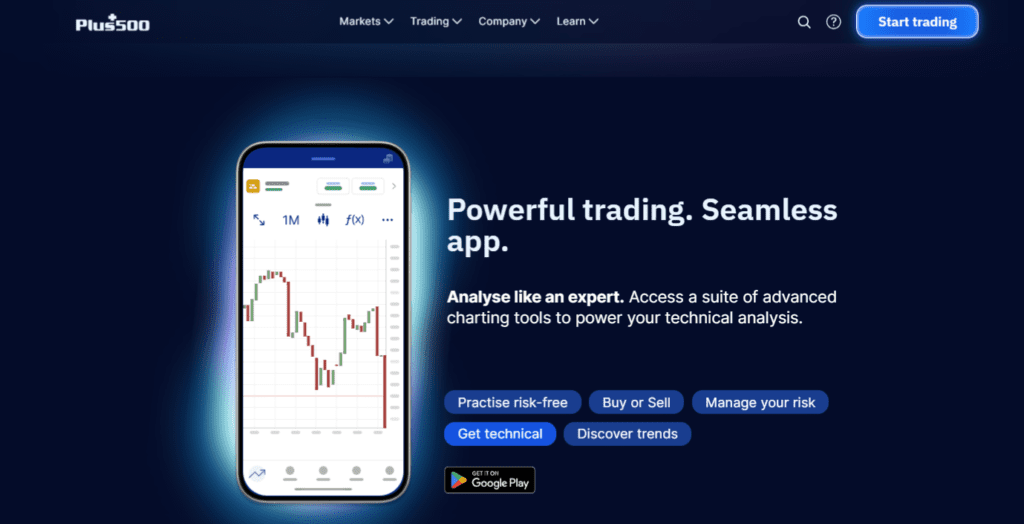
Once inside, the platform feels calm. No banners pushing features. No rewards flashing. The screen centers on prices and charts.
Navigation relies on simple actions:
- Search for an asset
- Open its chart
- Choose position size
- Set risk limits
Everything stays within a single interface. That consistency reduces mistakes, especially for newer traders.
The mobile app mirrors the desktop layout closely, which helps users move between devices without relearning the platform.
Interface Behavior During Real Trading
Plus500 feels steady. Charts load quickly. Prices update smoothly. Buttons respond instantly.
The interface avoids clutter. Only essential tools appear by default. Advanced options remain accessible but not forced.
Traders control risk at the moment of entry:
- Stop loss
- Take profit
- Guaranteed stop (where available)
That setup encourages discipline.
Risk planning happens before trades open, not after losses start. People who prefer calm trading environments often appreciate this design.
There’s very little noise.
Fees, Costs, and How Money Is Made
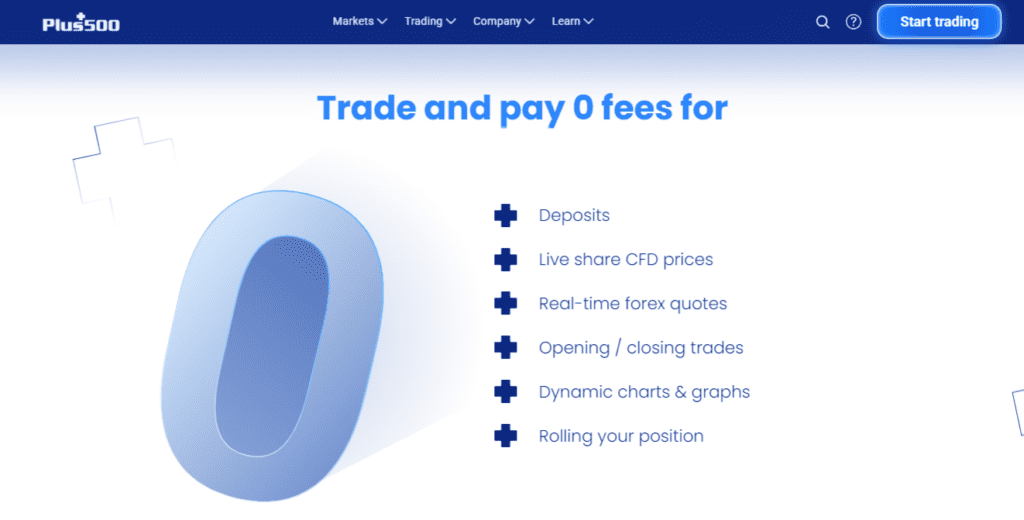
Plus500 does not charge traditional commissions. Costs appear through spreads and overnight fees.
Spreads vary by market and volatility. During calm periods, they stay reasonable. During major events, they widen.
Overnight fees apply when positions remain open past a trading day. Short-term traders avoid these costs naturally. Longer holds feel more expensive.
There are no deposit or withdrawal fees in most regions. That simplicity helps users understand where money goes.
Everything about pricing stays visible before trades open. Nothing feels hidden, but users must still understand how CFDs work.
Risk Management as a Core Feature
Risk control isn’t optional on Plus500. It’s built into the flow.
Every trade requires:
- Position sizing
- Defined loss limits
- Clear exit logic
Guaranteed stop-loss orders stand out. They cap maximum loss, even during sudden market moves. That feature costs more, but some traders value certainty over price.
Margin requirements appear clearly. Alerts notify users when positions approach risk limits. Forced closures happen if thresholds break.
This environment suits traders who respect risk rules and accept them upfront.
Market Coverage and Asset Variety
Plus500 offers access to many markets in one place. Users can trade:
- Cryptocurrencies (price-based)
- Stocks
- Indices
- Forex
- Commodities
This variety supports strategy flexibility. One account covers multiple asset classes without switching platforms.
Assets remain liquid and familiar. Exotic tokens or micro-cap stocks don’t dominate the listings. Selection favors stability over novelty.
For traders who like diversification without complexity, this structure works well.
Platform Reliability and Regulation
Regulation defines Plus500’s reputation. The platform operates under multiple regulatory bodies, depending on region.
This leads to:
- Strong compliance rules
- Clear leverage limits
- Mandatory disclosures
Some users find these restrictions limiting. Others find them reassuring.
Outages are rare. Maintenance windows are communicated. Market halts follow official exchange schedules.
The platform behaves predictably, which matters during volatile sessions.
Support, Education, and Self-Service Tools
Support operates mainly through tickets and email.
Live chat availability depends on region. Response quality tends to be precise rather than fast. Answers focus on process, not reassurance.
Educational content exists, but stays minimal. Plus500 assumes users arrive with basic trading knowledge or are willing to learn independently.
Built-in alerts and notifications help users monitor positions without constant screen time.
Who Plus500 Makes Sense For
Plus500 isn’t for everyone. It appeals to a specific mindset.
Good fit includes:
- Short-term traders
- People interested in price speculation
- Users who don’t want to own assets
- Traders who value regulation and control
Poor fit includes:
- Long-term investors
- Crypto holders
- Users seeking rewards or incentives
- Anyone uncomfortable with leveraged trading
Understanding this distinction avoids disappointment.
Frequently Asked Questions
Can Beginners Use Plus500 Without Prior Trading Experience?
Beginners can use Plus500, but results depend on preparation. The platform explains tools clearly, yet CFD trading carries real risk.
Starting with small position sizes and using demo mode first helps new users understand pricing, leverage, and risk behavior before committing real funds.
Does Plus500 Offer a Demo Account?
Yes. Plus500 provides a free demo account with virtual funds. It mirrors real market conditions and platform tools.
Many users rely on it to test strategies, learn order placement, and understand margin behavior without risking real money or dealing with emotional pressure.
Can Profits Be Withdrawn Instantly from Plus500?
Withdrawals are not instant. Requests usually process within a few business days after verification checks. Timing depends on payment method, region, and compliance reviews.
While delays can happen, the process is structured and predictable rather than random or unclear.
Is Plus500 Suitable for Holding Positions Over Several Weeks?
Plus500 allows longer positions, but overnight fees apply each day a trade stays open. These costs add up over time.
Because of this, many users treat Plus500 as a short- to medium-term trading platform rather than a place for extended holding strategies.
Conclusion
Plus500 feels focused and deliberate. It doesn’t try to entertain or reward activity. It provides tools, rules, and structure.
Traders either work within that framework or move on.
For users who want clean access to global markets without ownership complexity, Plus500 delivers a controlled and professional trading environment.