



You can make money on IQ Option, but you need the right approach.
Beginners lose because they rush. They jump between assets. They trade on feelings. They risk too much. You can avoid all of that with a simple plan.
Start in the Practice account. Learn one setup. Control risk like it matters, because it does. This guide shows a beginner path you can follow step by step.
Start With The Right Goal
Your first goal is not profit. Your first goal is control.
You want to prove you can follow rules even when a trade goes against you. If you chase money on day one, you will chase losses on day two.
Set a beginner target that keeps you grounded:
- Trade one asset only for a full week
- Take a small number of trades per day
- Stop trading when you hit your daily limit
When you do this, you build the skill that makes profit possible later. You also stop the stress that makes people click at random.
Learn The Platform Before You Trade
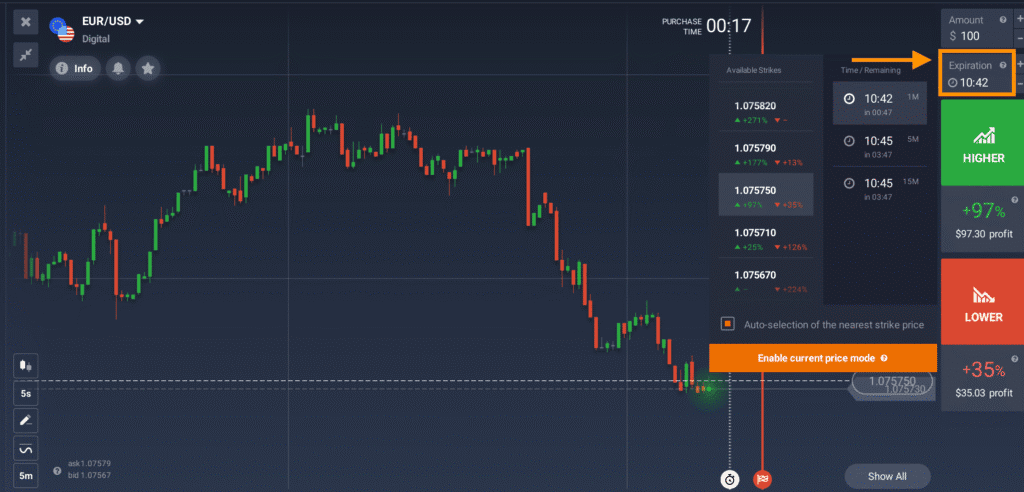
IQ Option gives you charts, indicators, and order tools. That can feel like a lot at first. Do not try to master everything. Learn the basics that help you avoid mistakes.
Spend your first sessions doing only this:
- Pick one asset and open its chart
- Learn how to change time frames
- Learn how to place and close a trade
- Find where your trade history sits
- Learn how to switch between Practice and Real
This early work pays off. You reduce bad clicks. You reduce panic. You trade with purpose.
Use One Simple Strategy First
Beginners do best with a simple trend approach. It keeps you on the side of momentum. It also gives you clear rules.
The Beginner Trend Pullback Method
You trade in the direction of the trend. You enter after a pullback. You do not chase price. Here is the process in plain steps:
- Use a higher time frame to spot the trend
- Wait for price to pull back toward a common guide, like a moving average
- Enter only when price shows it wants to continue the trend
You do not need a screen full of tools. Keep it simple.
If you want one extra confirmation, use RSI to see when momentum turns back with the trend. Do not treat RSI as a magic signal. Use it as a support tool.
A strong beginner rule: if you cannot explain your trade in one sentence, skip it.
Control Risk Like A Pro
Risk control decides if you keep your money. It also decides if you stay calm. Beginners often risk too much because they want quick results. That usually ends fast.
Use these rules:
- Risk a small fixed amount per trade
- Do not increase risk after a win
- Do not try to win back a loss right away
Set a daily stop rule. Stop for the day if you hit it. A simple version works well: stop after two losses in a row. This stops spiral trading.
Also, set a weekly stop rule. If you have a bad week, pause. Review. Then come back with one change.
Build A Beginner Trading Routine
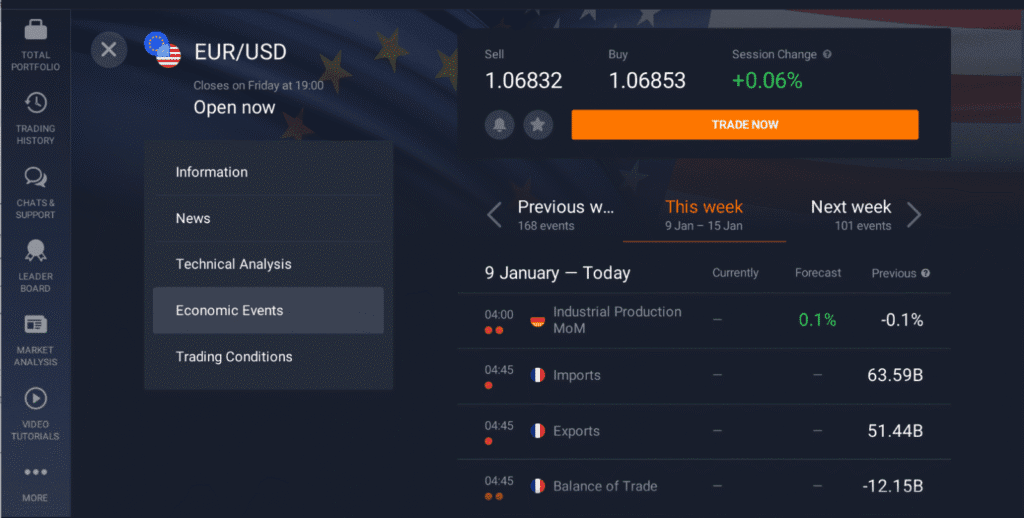
A routine prevents random trades. It also helps you improve faster because you repeat the same process.
A 20 Minute Daily Flow
Start each session the same way.
- Open your one asset
- Mark a clear trend direction
- Identify two key levels where price reacted before
- Wait for your one setup
- Take your trade or take no trade
Do not fill time with trades.
If the setup does not appear, you did your job by staying out. End every session the same way, too. Check what you did right. Then write down one fix.
Track Your Trades In A Simple Way
You do not need a complex spreadsheet. You need clean notes you will actually use. Tracking turns practice into skill.
After each trade, write four lines:
- What setup you used
- Why you entered
- Why you exited
- What you would change next time
After 20 to 30 trades, patterns show up. You will see if you trade better at certain times. You will see which mistakes keep repeating. Fix one mistake at a time.
That is how results grow.
Avoid These Beginner Mistakes
These mistakes destroy accounts fast. They also destroy confidence.
Trading Too Many Assets
Each asset moves in its own way. If you switch every day, you never learn any of them. Pick one and stick with it.
Entering Late
Late entries happen when you chase. If price already moved hard, wait for the next pullback. You will get another chance.
Moving The Exit
Do not change your stop because you feel hope. If the trade idea breaks, exit. A small loss is a win in disguise. It keeps your plan alive.
Trying To Trade When You Feel Off
If you feel stressed or angry, stop. Your brain will look for action, not quality. That leads to bad trades.
When To Move From Practice To Real
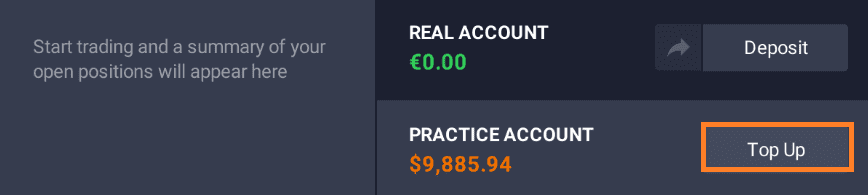
Move only when you can follow rules, not when you feel confident for one day. Confidence can lie. Your process tells the truth.
Use this simple test:
- You follow one strategy for two weeks
- You keep risk stable
- You respect your daily stop rule
- You review your trades without excuses
When you switch to real money, start smaller than you think you should. Real money adds pressure. Small size protects you while you adjust.
Frequently Asked Questions
Can I Start With Very Small Trades as a Beginner?
Yes. Starting small reduces pressure and helps you follow rules. Small size also keeps losses manageable while you learn the platform and your setup. Focus on clean execution first. Increase size only after you stay consistent for many sessions.
How Much Time Do I Need Each Day to Practice Properly?
You do not need hours. A focused 20 to 30 minutes can work if you follow a routine. Spend most of that time waiting for your setup, not placing trades. Review your trades for five minutes after you finish.
What Is the Safest Way to Learn Without Losing Money?
Use the Practice account and treat it like real trading. Set rules for risk, daily stops, and trade limits. Track every trade with short notes. If you ignore rules in practice, you will ignore them with real money too.
How Do I Know if My Strategy Is Actually Working?
Look at a meaningful sample, not a few wins. Track at least 30 trades with the same setup, asset, and time window. Review win rate, average win versus loss, and rule breaks. If rule breaks cause most losses, fix discipline first.
Conclusion
Beginners make money on IQ Option by doing less, not more.
Pick one asset. Learn the platform. Use one simple trend setup. Control risk with fixed rules. Trade only when the setup appears.
Track every trade with short notes. Improve one mistake at a time. This path feels slow at first, but it builds real skill. That skill is what makes profit possible.