



Crypto brokers appeal to many traders because they simplify how digital assets are bought and sold. Instead of managing wallets, private keys, and on-chain transactions, users place trades through a broker’s platform with custody and execution handled behind the scenes.
That convenience can make crypto more approachable, especially compared to navigating decentralized exchanges or self-custody setups.
Still, brokers vary widely in fees, asset access, and platform design. For most users, clarity, cost transparency, and reliable execution matter far more than advanced features early on.
9 Best Crypto Brokers
The crypto brokers below are commonly used by retail traders and investors. Each section focuses on concrete factors such as supported assets, trading mechanics, custody approach, and pricing structure.
1. Binance
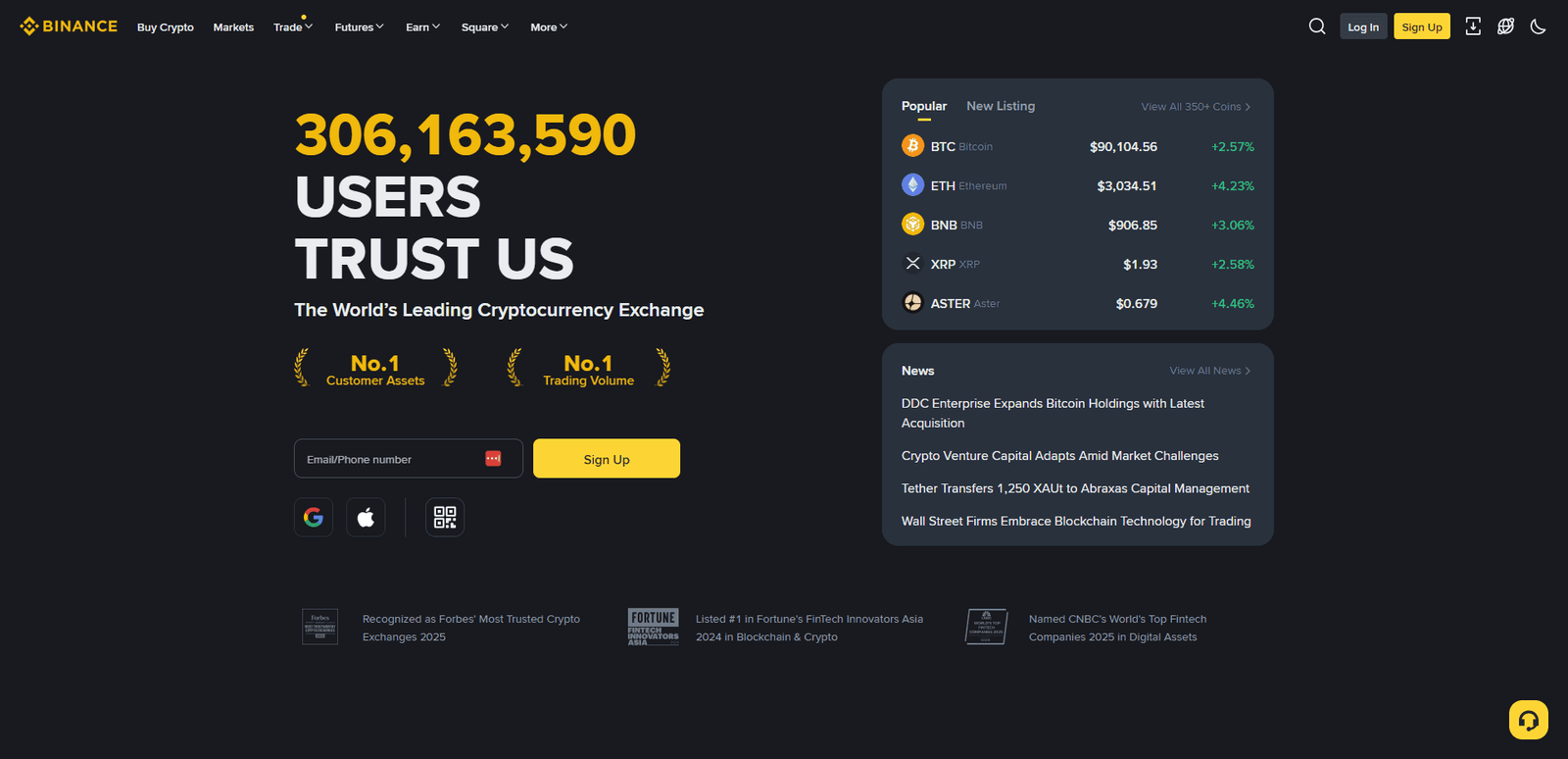
Binance provides access to a wide range of cryptocurrencies and trading pairs for customers outside the United States. The platform supports spot trading with fee tiers based on account activity and trading volume. Advanced trading tools are available for experienced users.
✅ Pros:
- Extensive asset and pair availability.
- Fee reductions for higher-volume trading.
- Advanced order and market depth tools.
❌ Cons:
- Main platform unavailable to US users.
- Platform complexity requires experience.
2. Gemini
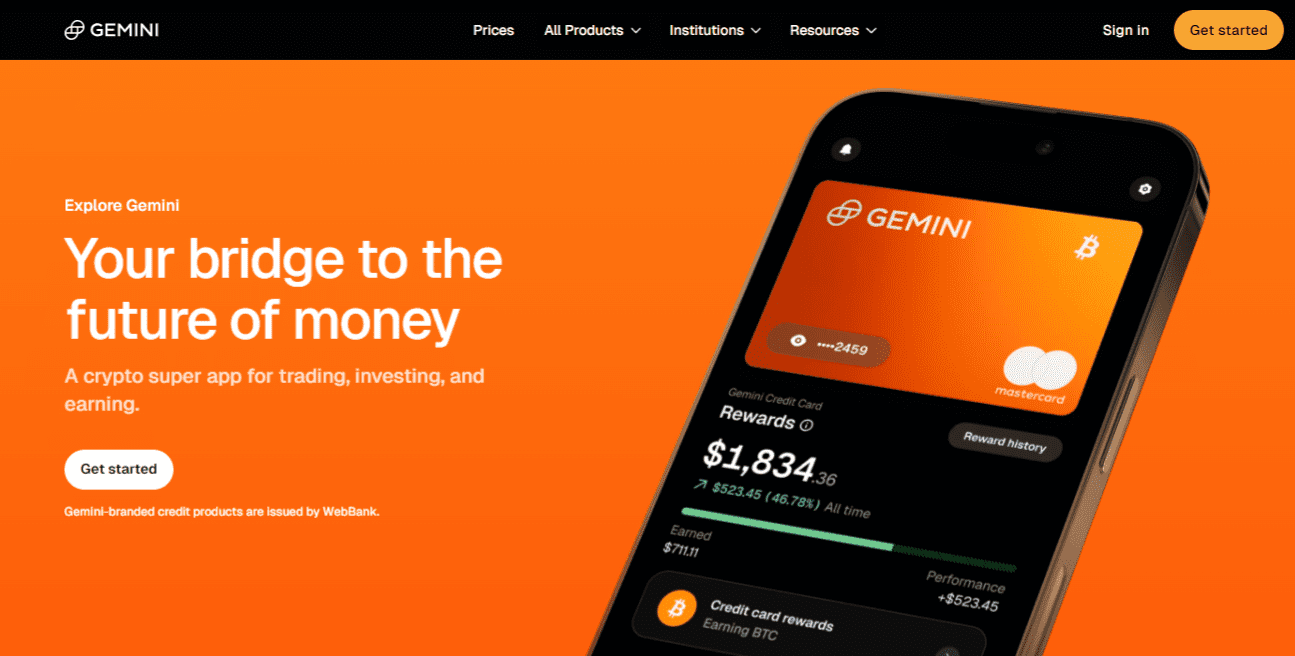
Gemini operates as a US-based crypto trading platform with custodial accounts. Users can trade through a standard interface or use ActiveTrader, which offers lower fees and expanded order functionality. Detailed trade history and account reporting are available within the platform.
✅ Pros:
- Reduced fees available through ActiveTrader.
- Detailed account and trade reporting.
- Structured separation between basic and advanced tools.
❌ Cons:
- Smaller asset list than some global platforms.
- Manual interface selection required for lower fees.
3. Uphold

Uphold supports cryptocurrency trading alongside other asset types within a single account. Trades are executed using quoted prices that include the platform’s fee, rather than a separate commission line item.
Users can convert between supported assets directly, with custody handled by the platform.
✅ Pros:
- Multi-asset trading within one account.
- Direct asset-to-asset conversions.
- Clear preview pricing before trade execution.
❌ Cons:
- Trading costs vary by asset due to spread pricing.
4. Coinbase
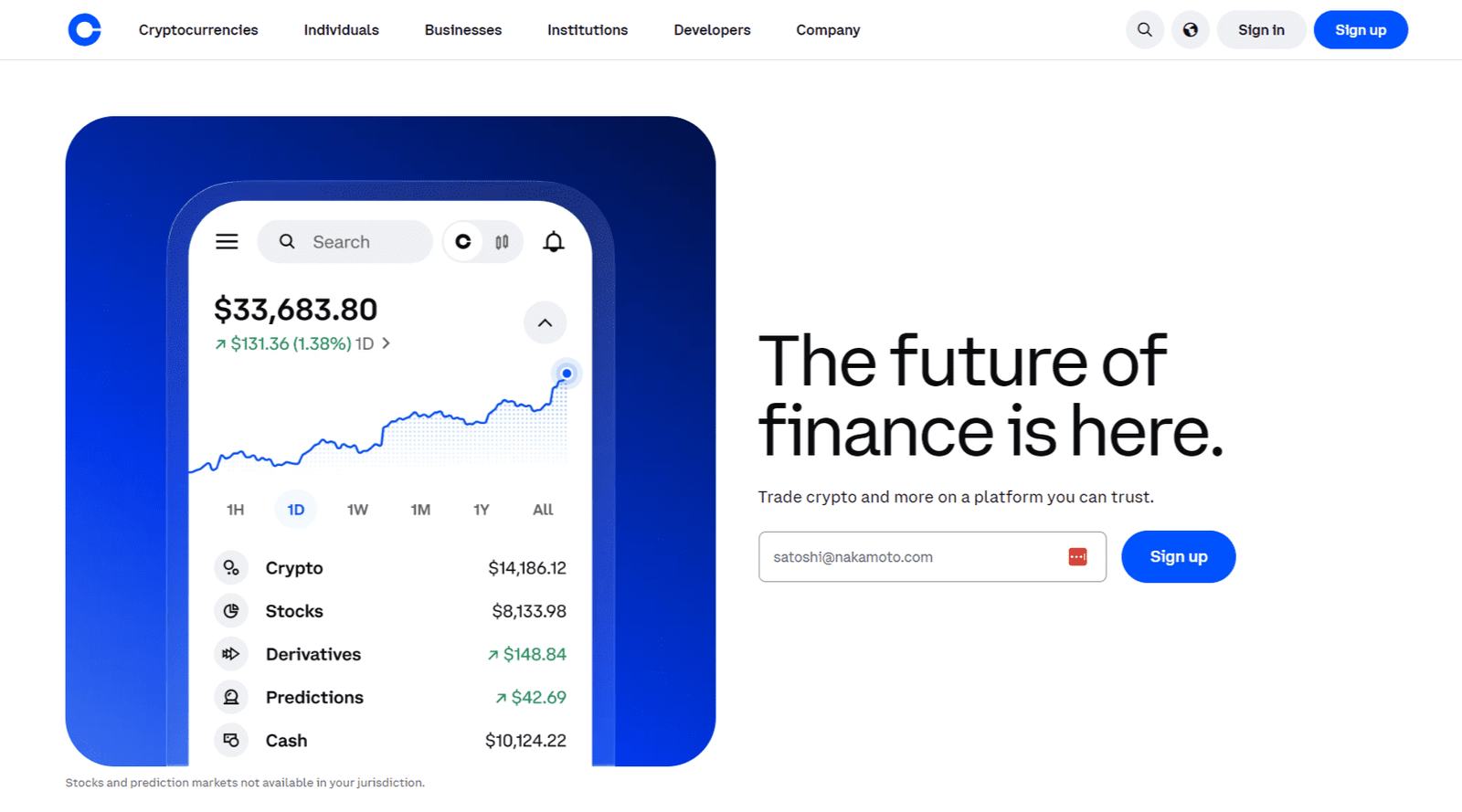
Coinbase provides retail crypto trading with both a basic interface and an advanced order screen. Users can place market, limit, and stop orders, with fees displayed before confirmation.
Assets are held in custodial wallets, and fiat funding is supported through linked bank accounts.
✅ Pros:
- Large selection of supported cryptocurrencies.
- Fee transparency before placing trades.
- Reliable fiat deposits and withdrawals.
❌ Cons:
- Higher fees on the basic trading interface compared to Coinbase Advanced.
5. eToro
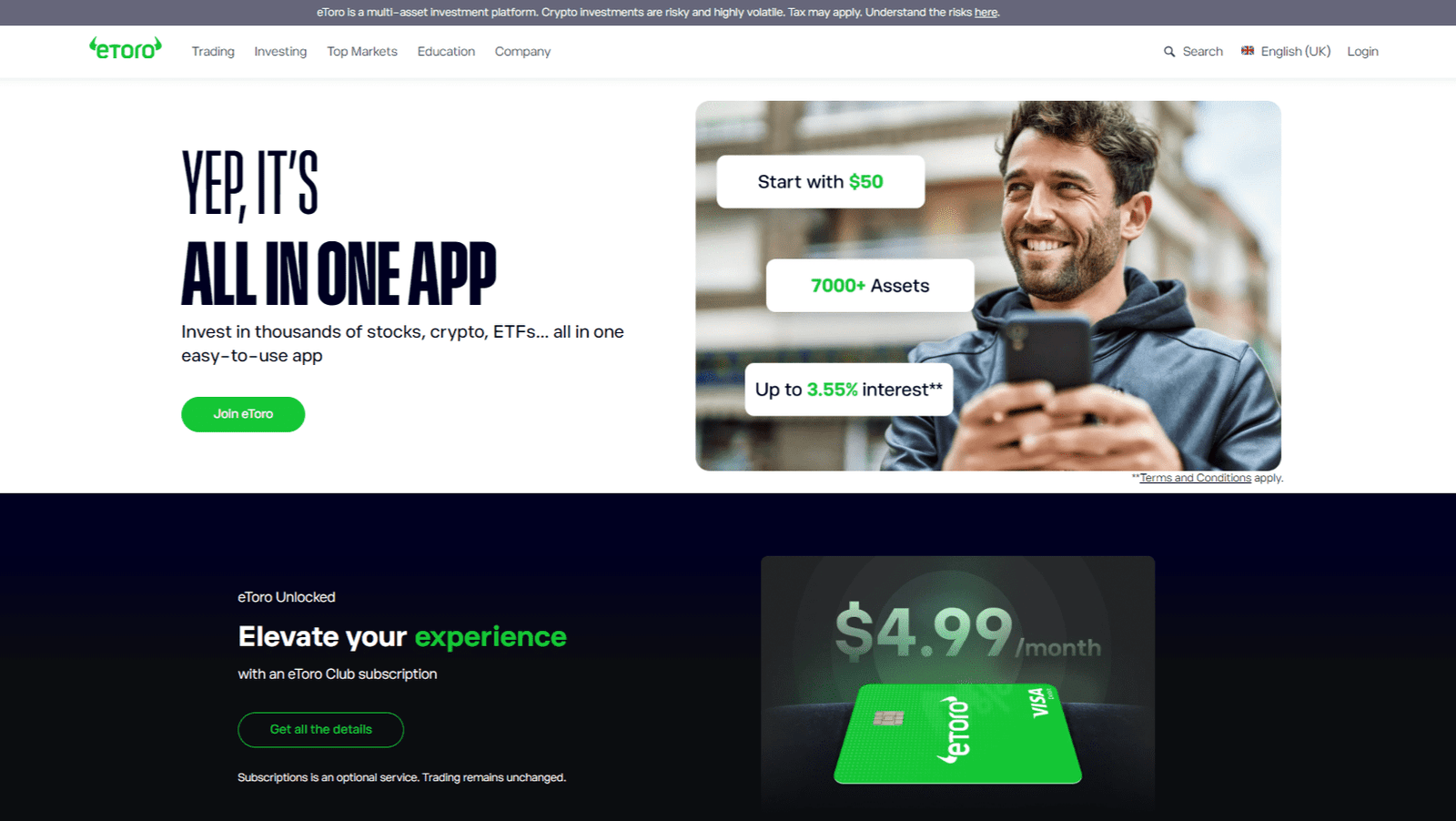
eToro integrates crypto trading into a broader platform that also supports stocks and ETFs. Crypto trades use spread-based pricing, with assets held in custody within the account.
Some cryptoassets may be eligible for transfer using eToro’s wallet service, depending on the asset and region.
✅ Pros:
- Crypto trading combined with traditional investments.
- Simple account structure for multi-asset users.
- Optional wallet access for supported assets.
❌ Cons:
- Trading costs vary based on spreads
- Limited crypto-specific order controls.
6. Kraken
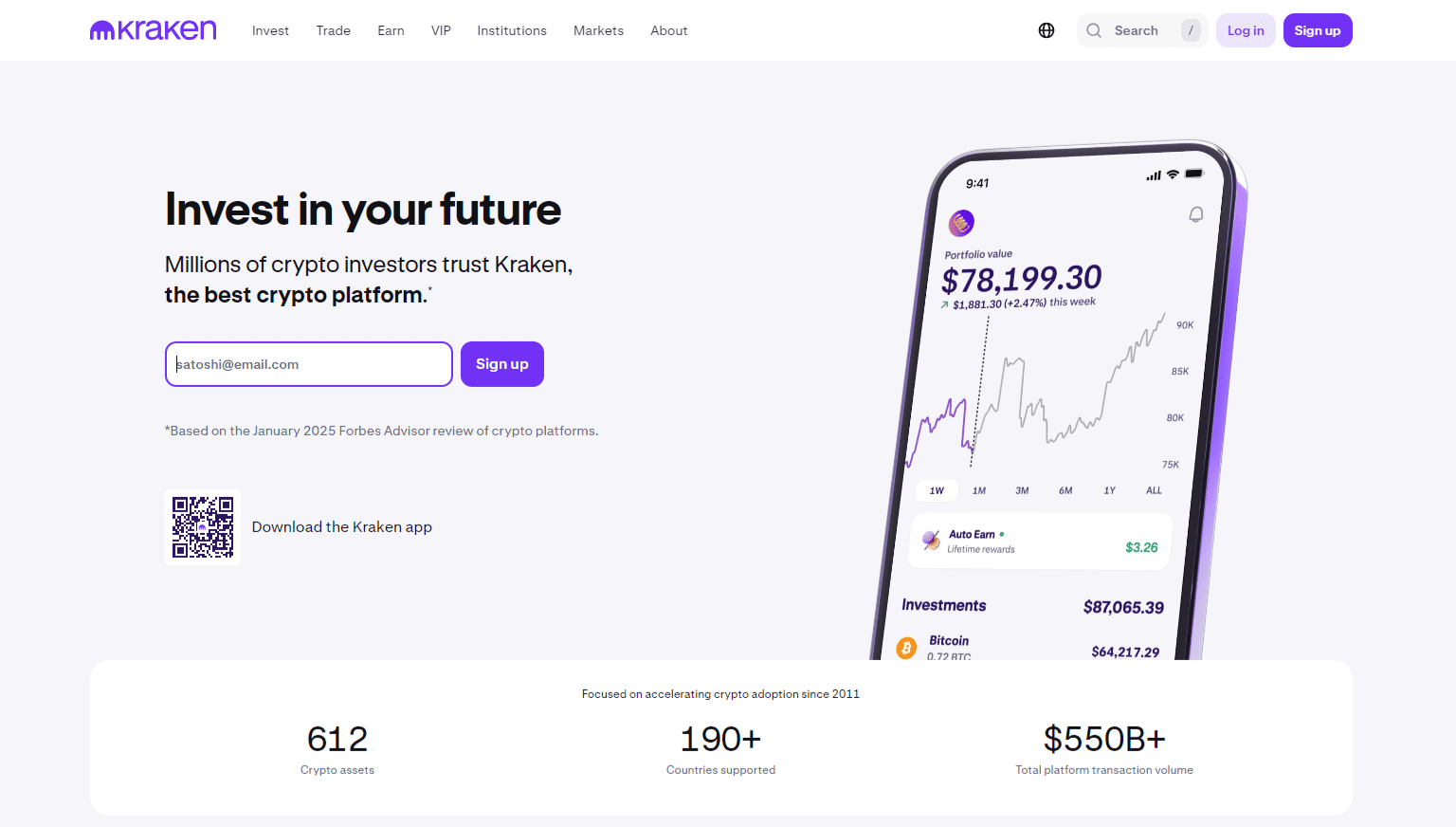
Kraken offers spot cryptocurrency trading with a focus on order execution and fee transparency. Users can trade through the standard interface or Kraken Pro, which applies maker-taker pricing based on trading volume. Advanced order types are available on the Pro platform.
✅ Pros:
- Volume-based fee tiers for active traders.
- Advanced order functionality on Kraken Pro.
- Supports multiple fiat funding options.
❌ Cons:
- Interface complexity for new users.
- Feature availability varies by jurisdiction.
7. Robinhood Crypto
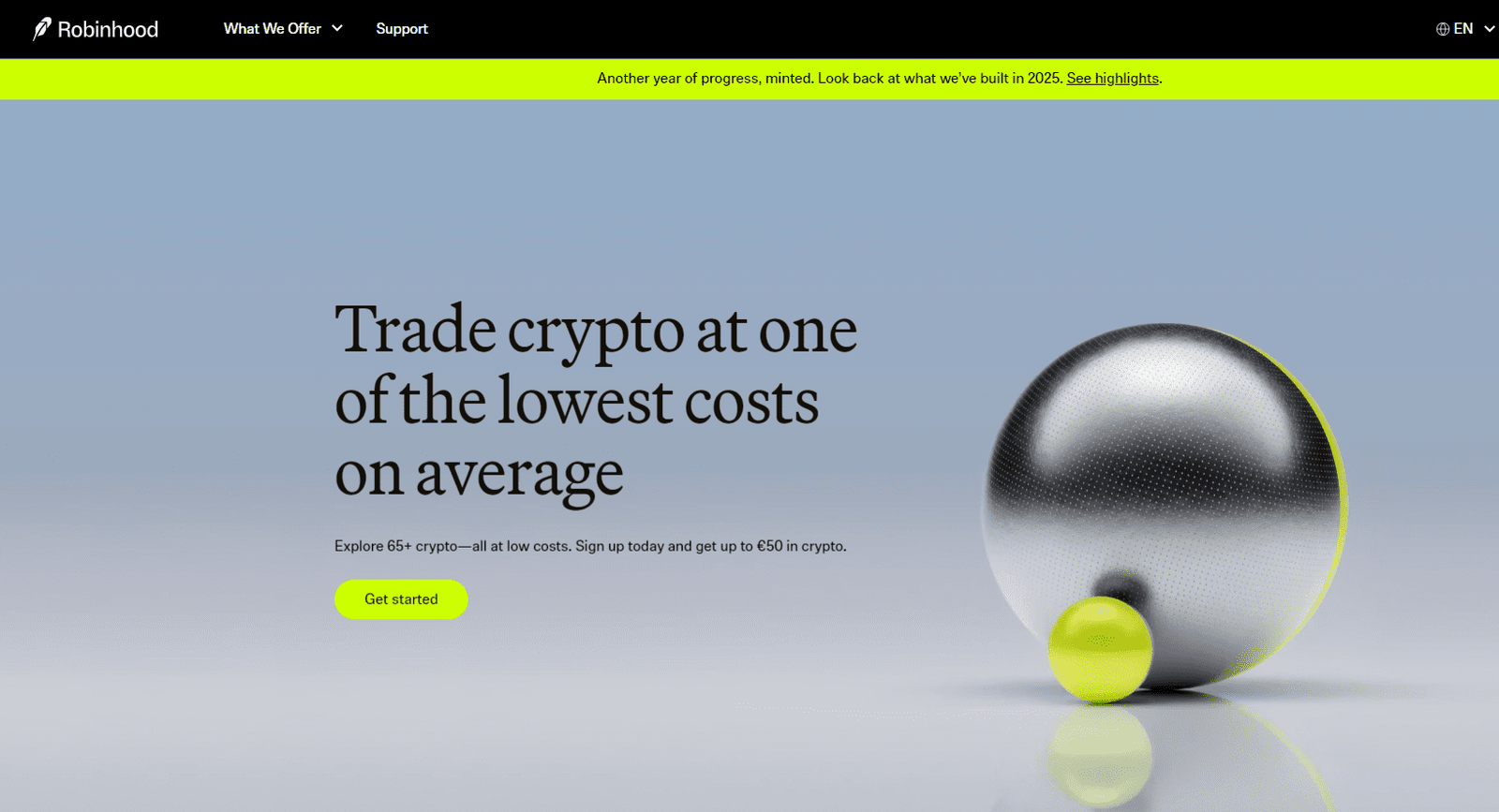
Robinhood Crypto allows users to trade cryptocurrencies within the same app used for stocks and options. Crypto trading is marketed as commission-free, with execution pricing influenced by market conditions. Assets are held in custody, and the platform emphasizes simplified trading.
✅ Pros:
- Commission-free crypto trades.
- Unified app for multiple asset classes.
- Simple onboarding and navigation.
❌ Cons:
- Limited cryptocurrency selection.
- Minimal order customization and charting.
8. Interactive Brokers
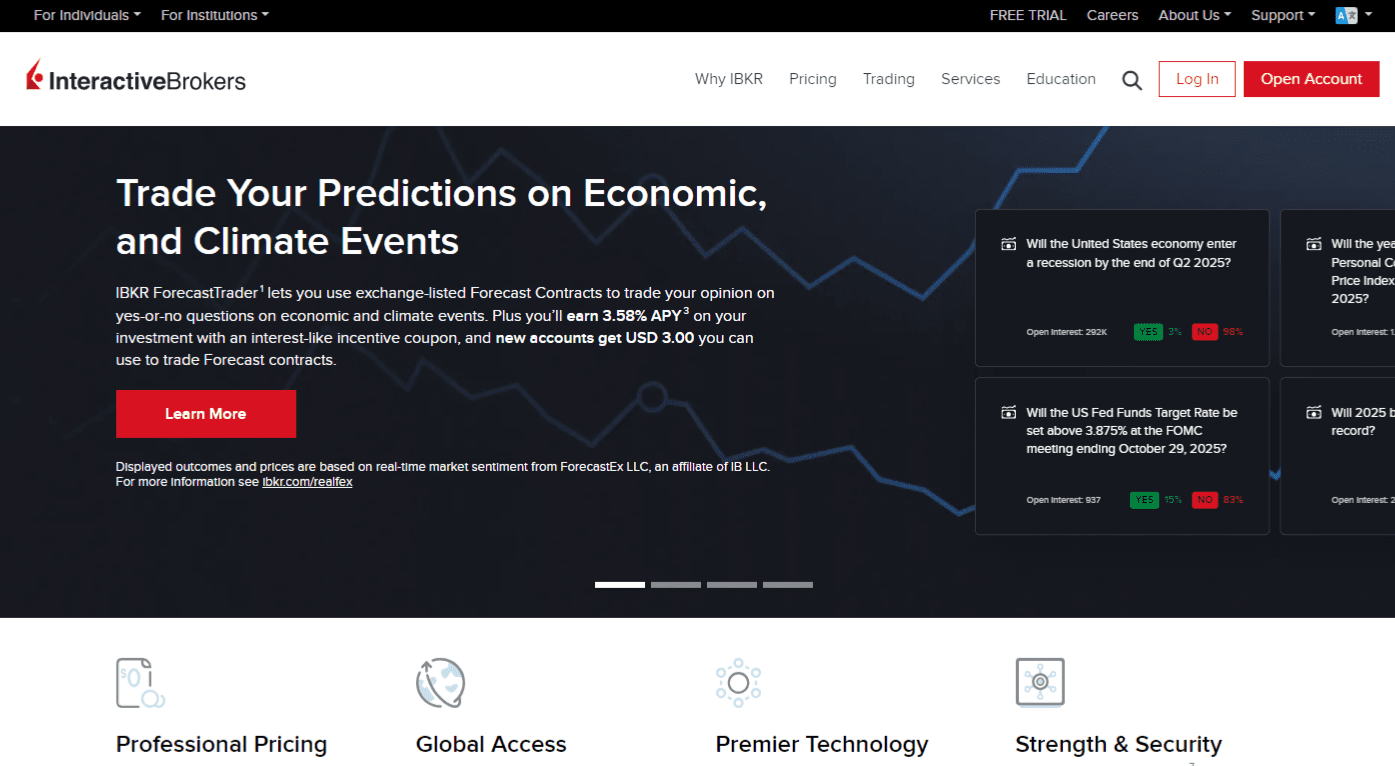
Interactive Brokers offers crypto trading within a multi-asset brokerage account. Crypto exposure is provided through partnered custodial providers, with positions shown alongside stocks, options, and futures. Reporting and tax documents are consolidated across asset classes.
✅ Pros:
- Crypto integrated with traditional investments.
- Centralized account management and reporting.
- Institutional-style brokerage infrastructure.
❌ Cons:
- Limited number of supported cryptocurrencies.
- Platform learning curve for new users.
9. Fidelity
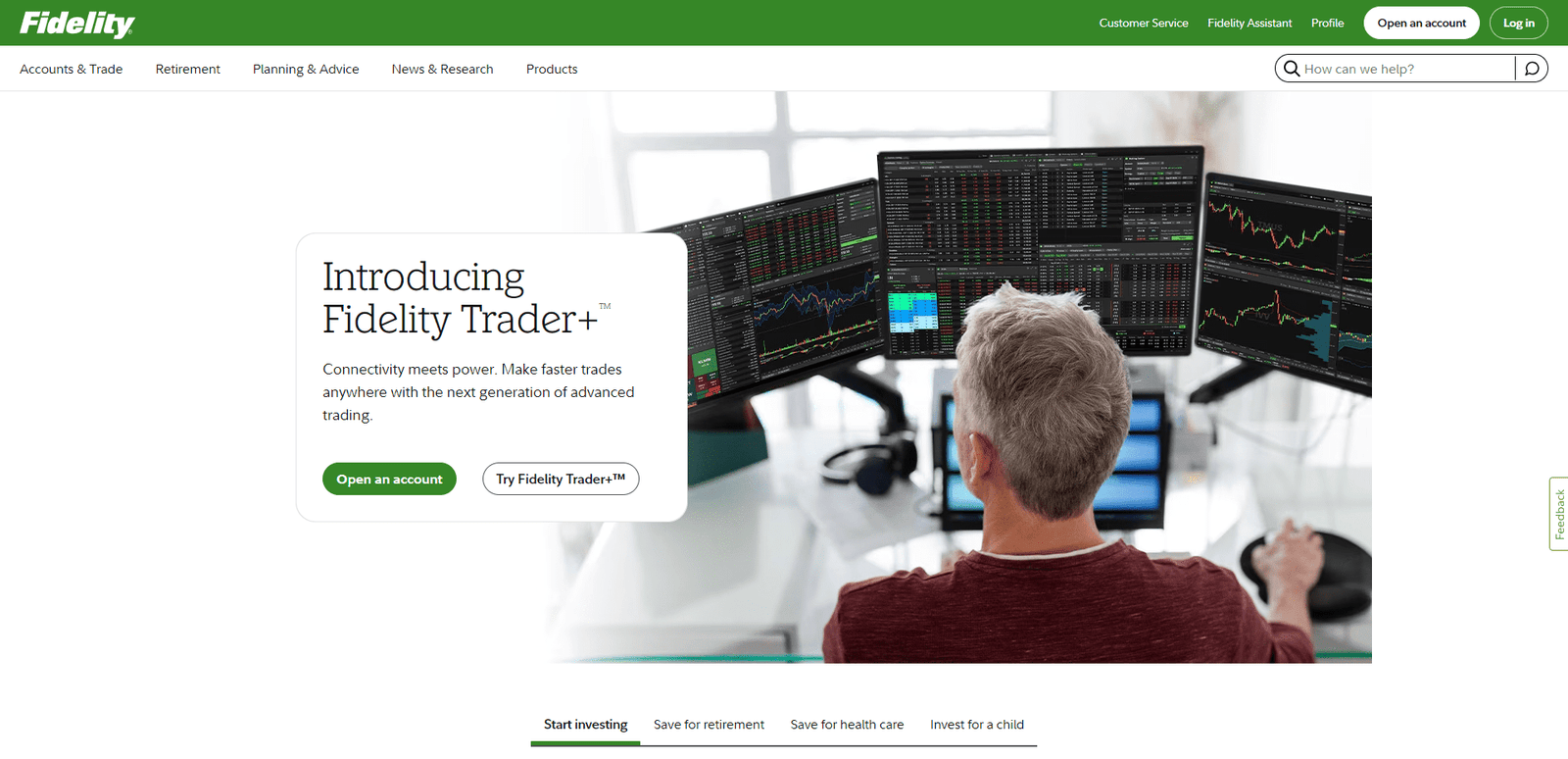
Fidelity provides crypto trading access for retail customers through its brokerage platform. The offering focuses on a limited set of major cryptocurrencies, with custody handled within the Fidelity ecosystem. Crypto positions appear alongside other account holdings.
✅ Pros:
- Custody managed by a large financial institution.
- Straightforward access for existing clients.
- Integrated account visibility.
❌ Cons:
- Very limited cryptocurrency selection.
- No advanced crypto trading features.
Crypto Broker Comparison Overview
The table below highlights the practical differences among crypto brokers, including custody model, asset scope, fee structure, and the type of user each platform tends to best suit.
| Broker | Asset Scope | Pricing Model | Platform Style | Best For |
| Binance (Non-US) | Very large crypto selection | Volume-based fee tiers | Advanced trading tools | High-volume, non-US traders |
| Gemini | Mid-sized crypto selection | Maker/taker via ActiveTrader | Security-focused, structured | Compliance-conscious users |
| Uphold | Crypto + other asset types | Spread-based pricing | Simple, conversion-focused | Multi-asset users |
| Coinbase | Large crypto selection | Fees + spreads (basic), maker/taker (advanced) | Beginner to advanced | General retail traders |
| eToro | Crypto + stocks + ETFs | Spread-based pricing | Multi-asset, social-style | Casual multi-asset users |
| Kraken | Spot crypto | Maker/taker, volume-based | Trading-focused | Active crypto traders |
| Robinhood Crypto | Limited crypto list | Commission-free model | Mobile-first, simplified | Beginners and casual users |
| Interactive Brokers | Limited crypto | Commission-based | Institutional-style | Diversified portfolios |
| Fidelity | Major cryptocurrencies only | Spread-based pricing | Long-term oriented | Existing Fidelity clients |
Frequently Asked Questions
What Is the Best Crypto Broker Overall?
The best crypto broker depends on location, supported assets, fee structure, and trading preferences. A platform that works well in one country or for one trading style may not be available or cost-effective for another.
Are Crypto Brokers Suitable for Beginners?
Yes. Many brokers simplify trading by managing custody and offering straightforward interfaces. This reduces the technical complexity compared to using self-custody wallets or decentralized platforms.
Do Crypto Brokers Hold Your Assets?
Most crypto brokers use custodial models, meaning assets are held on the user’s behalf. Access to withdrawals or transfers depends on the broker’s custody and security policies.
What Should You Compare When Choosing a Crypto Broker?
Asset availability, fees, custody approach, platform usability, and regional access are the most important factors. Reviewing these details helps avoid surprises related to costs, restrictions, or platform limitations.