


As cryptocurrency trading has expanded beyond early adopters, many users now look for platforms that offer both liquidity and flexibility.
The challenge is finding an exchange that supports a wide range of assets and tools without locking users into a narrow use case.
Binance has positioned itself as a global crypto ecosystem rather than a simple buy-and-sell platform. Instead of focusing on one trading style, Binance offers multiple products that cater to casual traders, active traders, and users interested in earning on digital assets.
This review looks at how Binance works, what markets it supports, how fees are structured, and which types of users are most likely to benefit from using the platform.
What Is Binance?
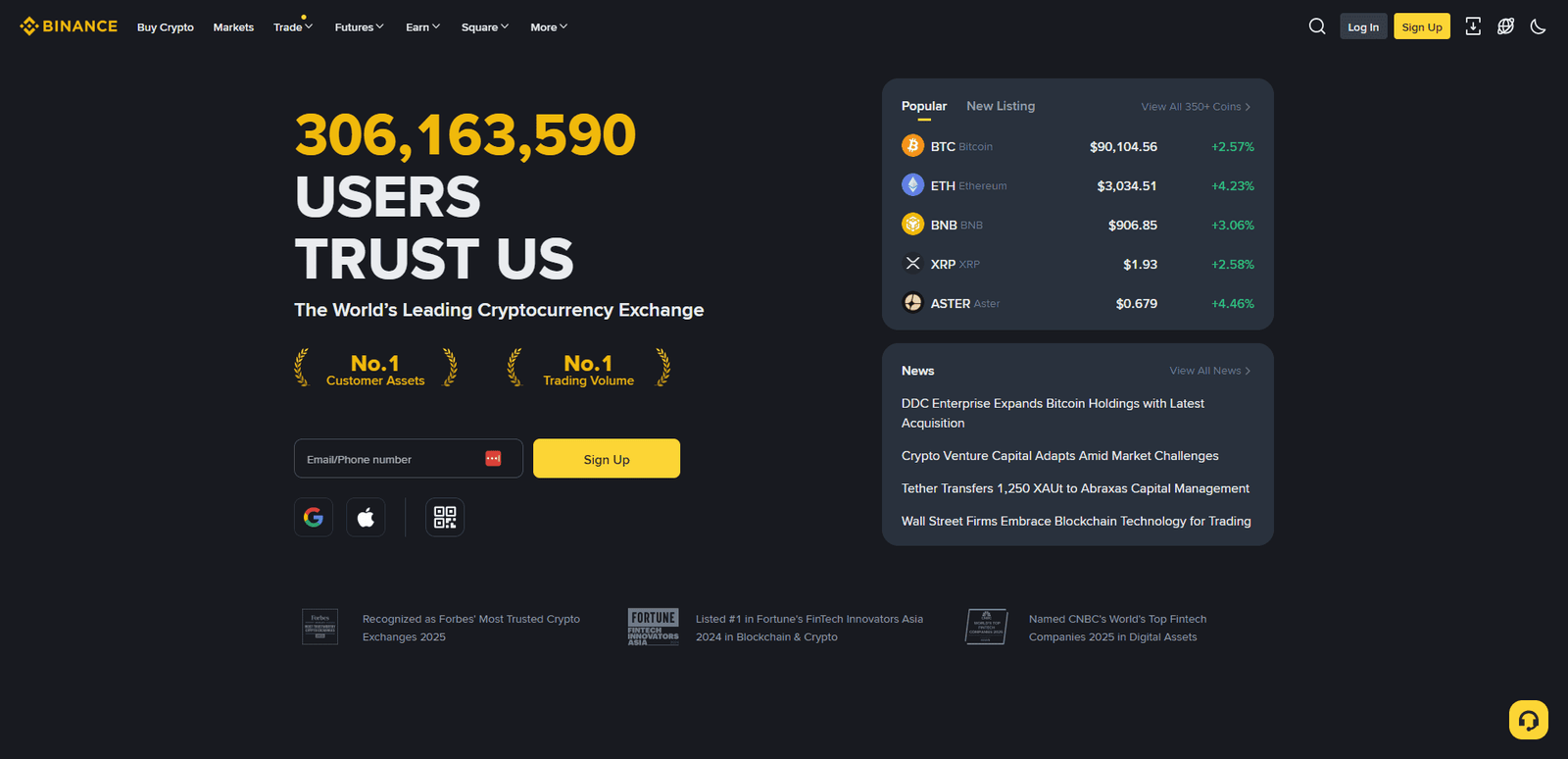
Binance is a cryptocurrency exchange that allows users to trade digital assets such as Bitcoin, Ethereum, and hundreds of other cryptocurrencies. Since its launch, it has grown into one of the largest crypto exchanges by trading volume.
Beyond spot trading, Binance offers a broad range of crypto-related services, including derivatives trading, staking, and yield-based products.
The platform operates globally, though available features can vary depending on the user’s location.
Binance is designed as a multi-purpose crypto platform rather than a simplified on-ramp for beginners only.
How Binance Works
To use Binance, users create an account and complete identity verification where required. Once verified, funds can be deposited via supported cryptocurrencies or local payment methods, depending on region.
Users trade directly on the exchange by placing market, limit, or other supported order types. Assets are held in Binance wallets, with balances visible in real time across different products.
Because Binance offers multiple services under one account, users can move funds between trading, earning, and wallet features without leaving the platform.
Markets and Supported Crypto
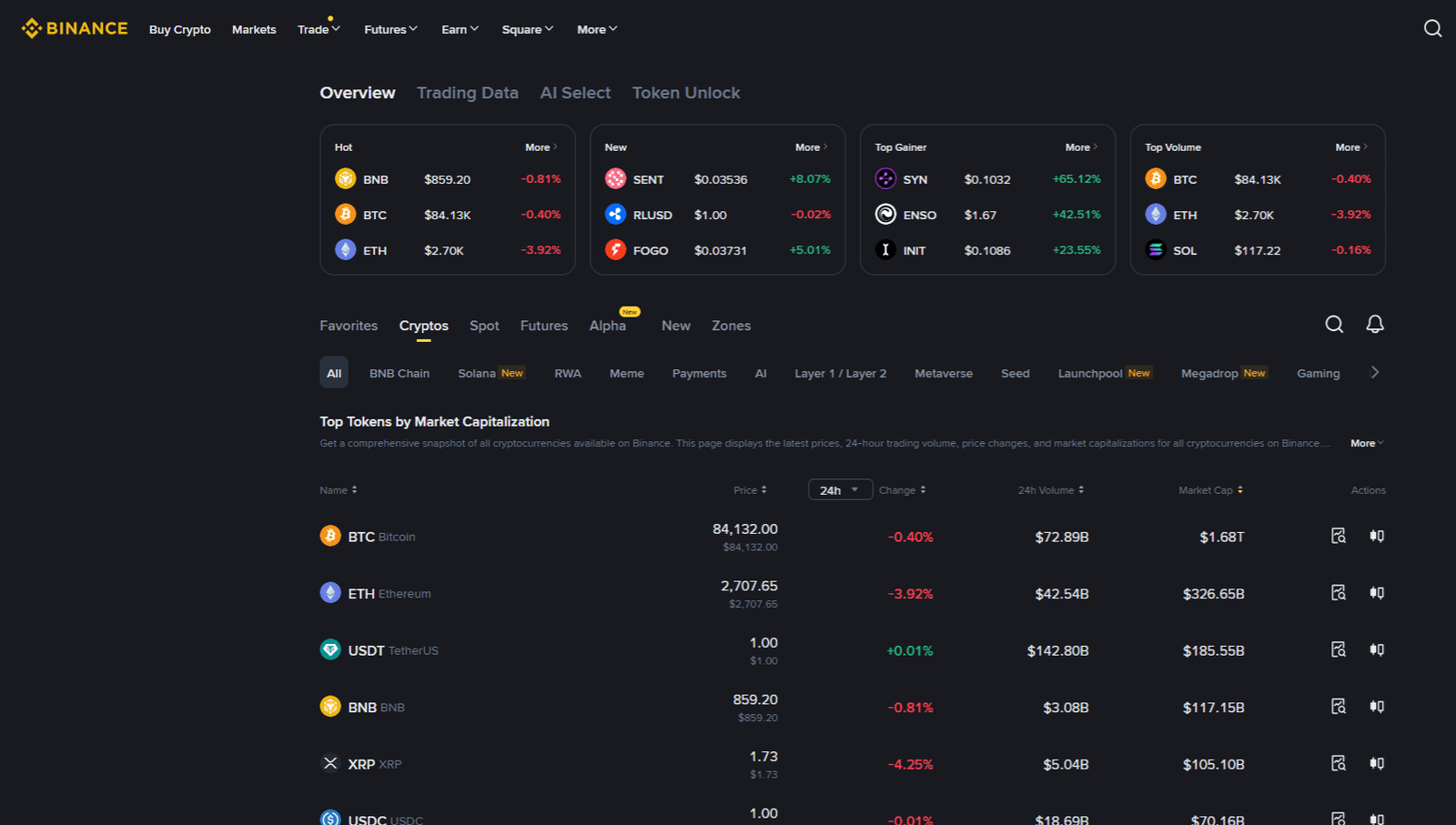
Binance supports a large selection of cryptocurrencies, including major assets and a wide range of altcoins. This allows users to access both high-liquidity markets and smaller tokens from a single account.
Trading pairs are offered across multiple base currencies, and liquidity is generally high on popular pairs.
In addition to spot markets, Binance provides access to derivatives markets tied to cryptocurrency prices.
The availability of specific assets may vary depending on regulatory requirements in different regions.
Fees and Cost Structure
Binance uses a tiered fee model based on trading activity and account status.
Standard spot trading fees are relatively low compared to many exchanges, with additional discounts available for users who hold or use Binance’s native token for fee payments. Derivatives trading follows a separate fee structure.
Other costs can apply depending on how the platform is used. These may include withdrawal fees, funding rates for derivatives positions, and spreads embedded in certain products.
Overall costs depend on trading frequency, product selection, and whether optional discounts are applied.
Platform Features and Tools
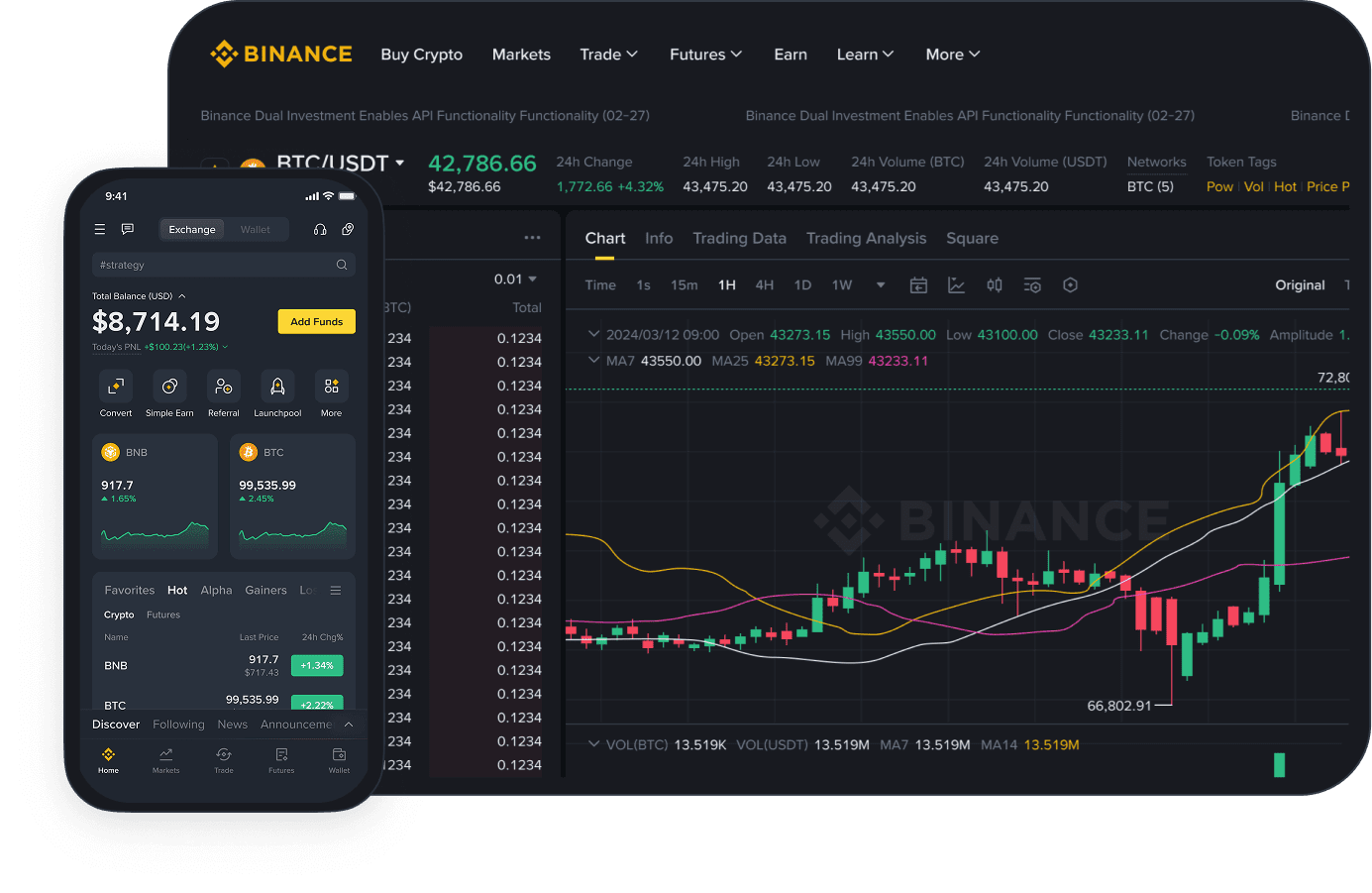
Binance offers a wide range of tools that extend beyond basic crypto trading.
Spot, Margin, and Derivatives Trading
Users can trade cryptocurrencies directly or use margin and derivatives products that allow leveraged exposure to price movements.
Futures and Advanced Products
Binance provides perpetual futures and other derivative instruments designed for more experienced traders who understand the associated risks.
Binance Earn and Staking Options
The platform offers various earning products, including staking and yield programs that allow users to earn rewards on supported assets.
Together, these features position Binance as a full crypto ecosystem rather than a single-purpose exchange.
Things to Be Aware of Before Using Binance
Binance’s interface and product range can feel overwhelming for new users. The platform is designed for flexibility, which means there is a learning curve when navigating its many features.
Regulatory restrictions can affect which services are available in certain countries, and users should verify local availability before relying on specific products.
Because Binance offers leveraged and complex instruments, users are expected to understand the risks associated with advanced crypto trading.
Who Binance Is Best For
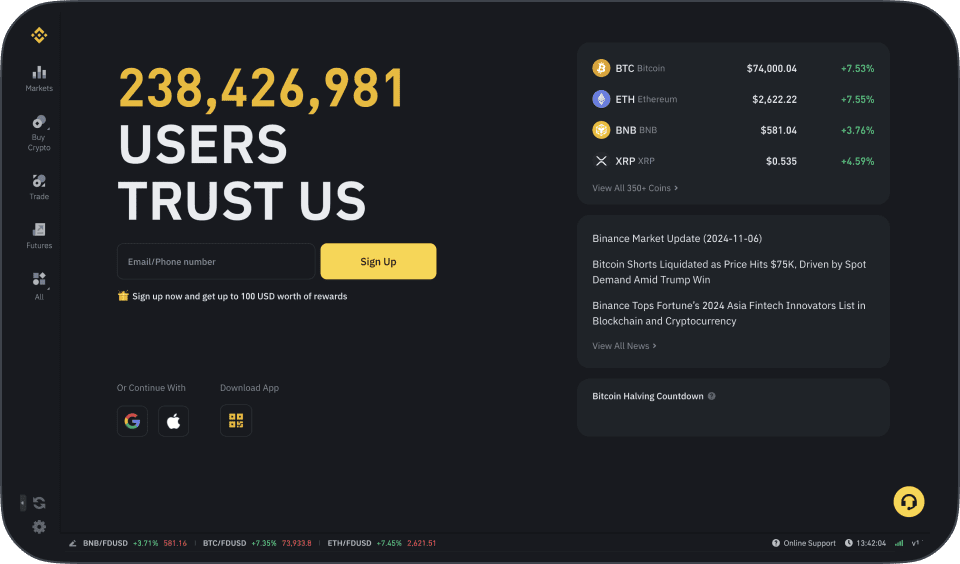
Binance is best suited for users who want access to a wide range of cryptocurrencies and trading products from one platform.
It works well for active crypto traders who value liquidity, low fees, and multiple market types.
The platform also appeals to users interested in earning rewards through staking or yield products.
However, beginners looking for a minimal, simplified crypto experience may find Binance more complex than entry-level apps.
Frequently Asked Questions
What Types of Cryptocurrencies Can You Trade on Binance?
Binance supports hundreds of cryptocurrencies, including major assets like Bitcoin and Ethereum as well as many altcoins.
How Much Are Trading Fees on Binance?
Trading fees are based on a tiered model and are generally low, with discounts available for certain users.
Does Binance Offer Staking or Earning Products?
Yes. Binance provides staking and other earning options for supported cryptocurrencies.
Is There a Minimum Amount Required to Start Trading on Binance?
Minimum trade sizes vary by market, but users can generally start with relatively small amounts depending on the asset.
Conclusion
Binance offers one of the most comprehensive cryptocurrency trading environments available today.
Its combination of extensive asset support, multiple trading products, and competitive fees makes it a strong option for users who want flexibility.
While the platform’s complexity and regional limitations require attention, Binance delivers depth that many other exchanges do not.
For users comfortable navigating a multi-layered crypto ecosystem, Binance remains a leading choice.