


Getting started with crypto can feel confusing fast. Prices move quickly, terms sound technical, and many platforms look built for experts only.
Coinbase takes a different approach. It focuses on simplicity first, then adds depth for users who want more control later.
Millions of people use Coinbase as their first step into crypto, not because it is perfect, but because it feels familiar and easy to navigate.
This review breaks down how Coinbase works, what it does well, where it falls short, and who it actually makes sense for.
What Coinbase Is and How It Works
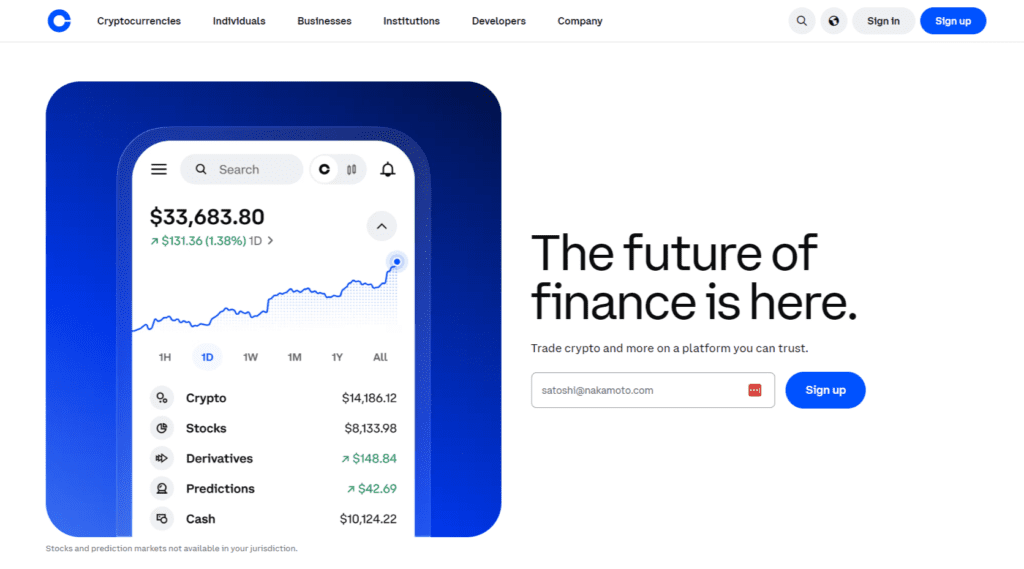
Coinbase is a crypto platform that lets people buy, sell, and hold digital currencies like Bitcoin and Ethereum. Accounts work a lot like a regular finance app.
Users sign up, verify identity, connect a bank account or card, and start trading.
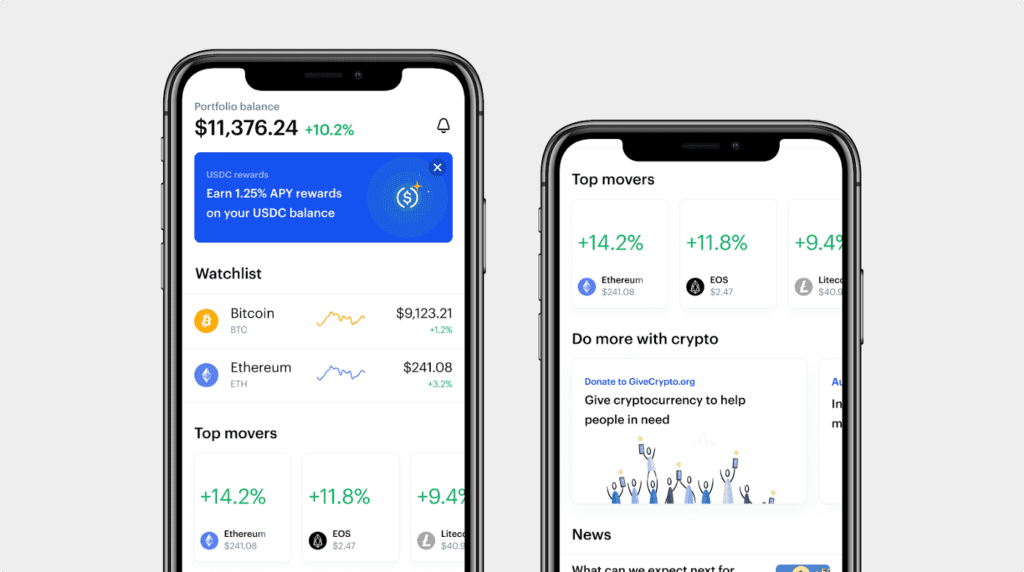
The main app keeps things simple. Prices are clear. Buttons are easy to understand. Nothing feels overwhelming at first glance. That design matters for beginners.
Behind the scenes, Coinbase acts as a custodian.
It holds crypto on behalf of users and secures it using industry-grade protection. Advanced users can switch to Advanced Trade, which offers charts, limit orders, and lower fees.
Most people use Coinbase in stages:
- Start with basic buying and selling
- Learn how prices move
- Explore advanced tools later if needed
That gradual learning curve is one of Coinbase’s biggest strengths.
Ease of Use and Overall Experience
Coinbase feels familiar right away. Navigation makes sense even for someone who has never touched crypto before. Buttons are labeled clearly. Screens stay uncluttered.
Everything important sits within reach:
- Portfolio balance shows up instantly
- Buying crypto takes a few taps
- Selling feels just as simple
Mobile and desktop experiences match well, which avoids confusion when switching devices. Loading times stay quick, and updates rarely break the layout.
Small details help too. Confirmation screens explain what’s happening before money moves. Price previews reduce surprises. Transaction histories stay easy to read.
People who want fast actions without digging through menus usually feel comfortable here. Power users might find it basic at first, but beginners often see that simplicity as a relief.
Fees and Pricing Explained
Coinbase fees confuse many first-time users. They appear higher than some competitors, especially on the standard buy and sell screens.
Pricing usually includes:
- A visible transaction fee
- A spread built into the price
That spread means the buy price is slightly higher and the sell price slightly lower than the market rate.
Advanced Trade offers lower fees, but it requires switching modes and understanding order types. Beginners often stay on the simple version because it feels safer.
Fees change depending on payment method:
- Bank transfers usually cost less
- Card purchases cost more but process faster
Coinbase doesn’t hide fees, but it doesn’t always explain them clearly either. Users who trade often will notice the difference over time.
Security, Safety, and Trust
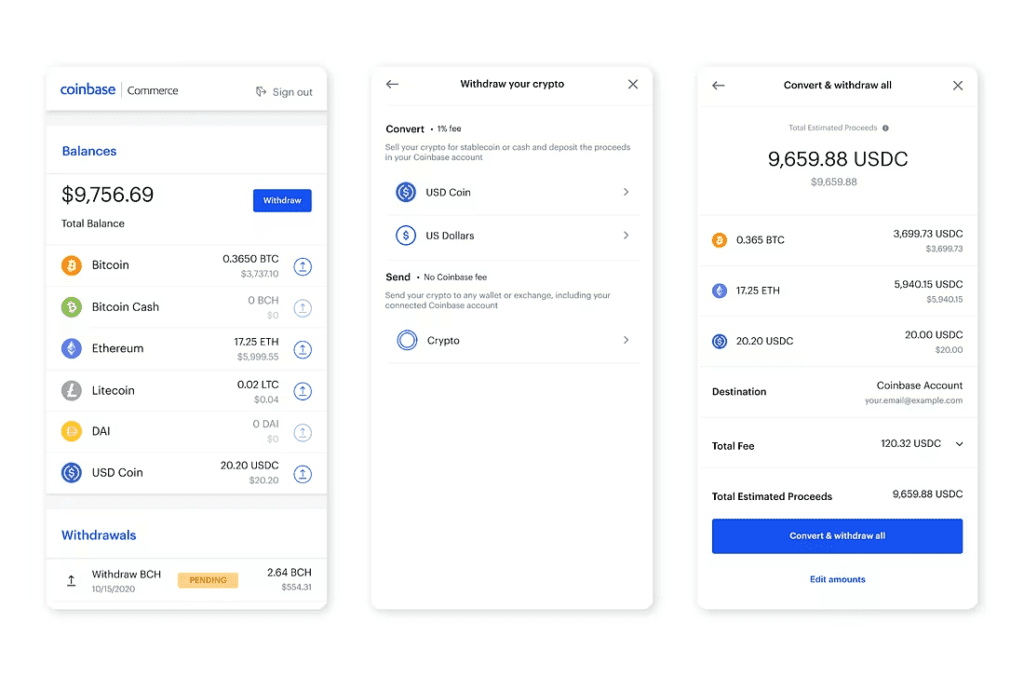
Security plays a big role in Coinbase’s reputation. The platform follows strict rules in the regions it operates in, especially in the US and Europe.
Several protections stand out:
- Two-factor authentication
- Cold storage for most customer funds
- Insurance coverage for certain types of losses
Coinbase also monitors accounts for unusual activity and sends alerts quickly. Recovery tools help users regain access if something goes wrong.
That said, personal security still matters. Strong passwords and device protection make a real difference.
For people worried about scams or shady platforms, Coinbase feels more transparent than many alternatives. Trust grows when rules are clear, and communication stays direct.
Available Cryptocurrencies and Features
Coinbase supports hundreds of cryptocurrencies, though it doesn’t list everything. New assets usually go through a review process before appearing on the platform.
Popular coins like Bitcoin, Ethereum, and Solana remain easy to find. Smaller projects rotate in and out depending on demand and regulation.
Extra features add value:
- Staking for certain coins
- Recurring buys for long-term investing
- Learning rewards that give small crypto amounts for watching short lessons
Coinbase Wallet (Optional Feature)
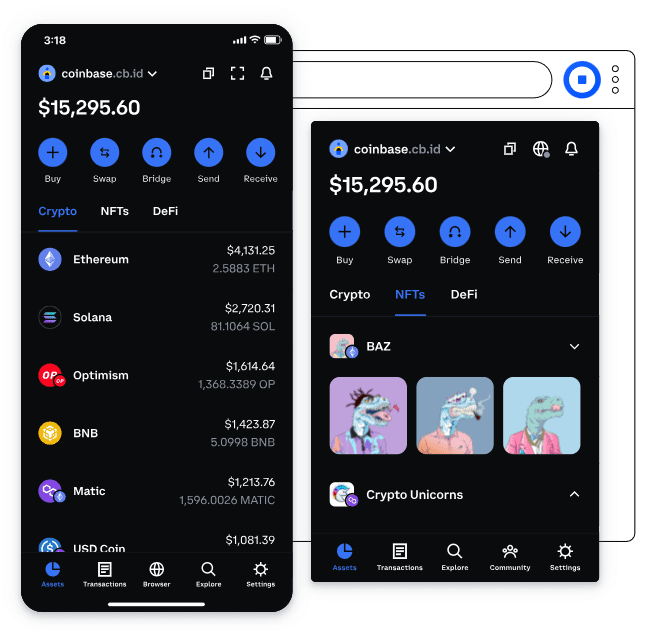
Coinbase Wallet works separately from the main app. It gives users full control over their crypto and access to NFTs and decentralized apps.
This option suits users who want:
- Ownership of private keys
- More control over funds
- Access beyond the main exchange
Beginners often ignore this at first, which is fine. The main app covers most needs early on.
Customer Support and Help Resources
Customer support receives mixed feedback. Coinbase offers help through:
- Email support
- Help center articles
- Automated tools inside the app
Responses usually arrive, but timing varies. Simple issues get resolved faster than complex ones.
The help center explains common problems clearly. Articles stay short and practical, which helps beginners avoid frustration.
Live chat availability depends on region and account type. Some users wish faster access existed during urgent situations.
While support isn’t perfect, Coinbase does improve documentation regularly. Clear guides reduce the need for direct contact in many cases.
Who Coinbase Is Best For
Coinbase works best for people who value clarity over control. Beginners, casual investors, and long-term holders usually feel comfortable here.
Good fit for:
- First-time crypto buyers
- Users who prefer simple apps
- People focused on long-term investing
Less ideal for:
- High-frequency traders
- Users chasing the lowest possible fees
- Advanced users who want full customization immediately
Coinbase doesn’t try to be everything at once. It focuses on being accessible first, then flexible later.
Frequently Asked Questions
Is Coinbase Legal to Use Worldwide?
Coinbase operates legally in many countries, but availability depends on local regulations. Some features, assets, or payment methods may be restricted based on location, so users should always check regional support before signing up.
Can Coinbase Accounts Be Frozen or Limited?
Accounts can be temporarily limited if unusual activity appears, verification fails, or compliance checks trigger a review. This usually protects users, but it can slow access until identity or transaction details are confirmed.
Does Coinbase Report User Activity to Tax Authorities?
Coinbase may share transaction data with tax authorities when required by law. Users remain responsible for tracking gains, losses, and taxable events, even if Coinbase provides summaries or downloadable transaction history.
What Happens if Coinbase Shuts Down or Goes Offline?
Customer assets are held separately from company funds. Temporary outages may pause trading, but users still own their crypto. Long-term shutdown scenarios depend on legal frameworks, which is why many users later explore self-custody options.
Final Thoughts
Coinbase succeeds because it removes fear from crypto. The app feels familiar, the layout stays clean, and actions remain easy to understand.
Fees cost more than some competitors, but many users accept that tradeoff for clarity and trust. For beginners, Coinbase provides a smooth starting point that doesn’t overwhelm.
It may not suit everyone forever, but as an entry into crypto, Coinbase continues to do its job well.