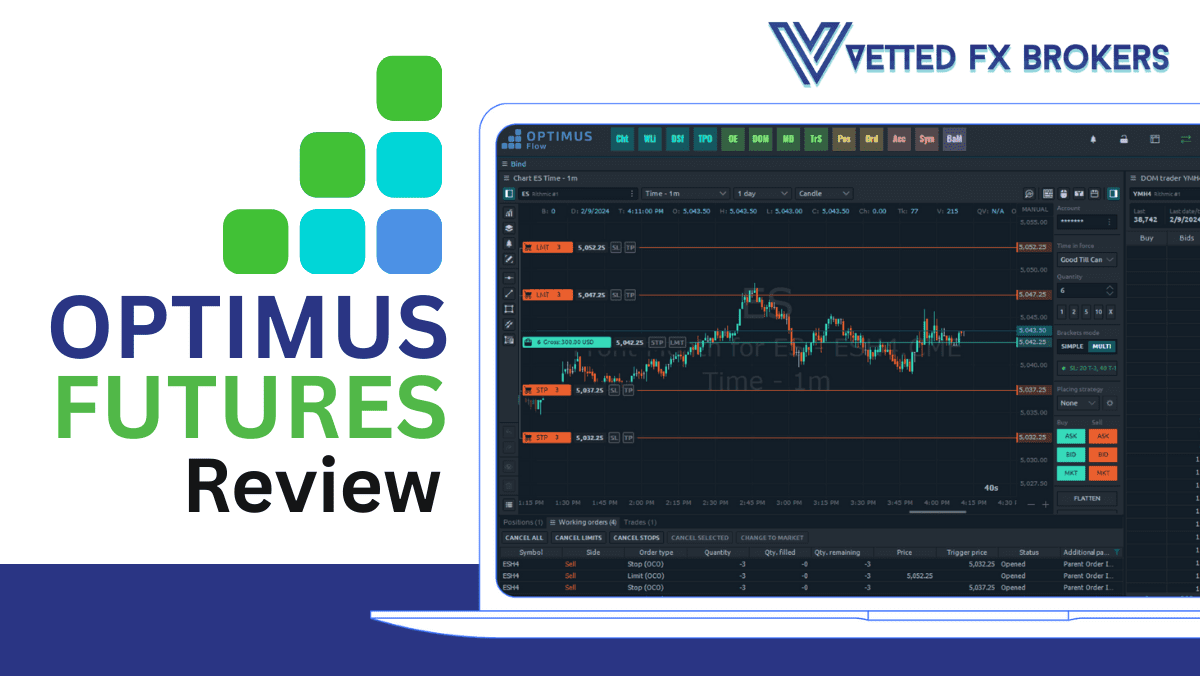

Futures trading platforms tend to reveal their priorities quickly. Some are built to attract beginners with simplified dashboards and guided flows. Others assume users already understand markets, risk, and execution mechanics.
Optimus Futures clearly belongs to the second category. It positions itself as a professional brokerage focused on futures traders who care about execution quality, platform choice, and cost transparency rather than visual polish.
This review looks at how Optimus Futures operates, what it offers, where it feels demanding, and who is most likely to benefit from using it.
What Optimus Futures Is and How It Works
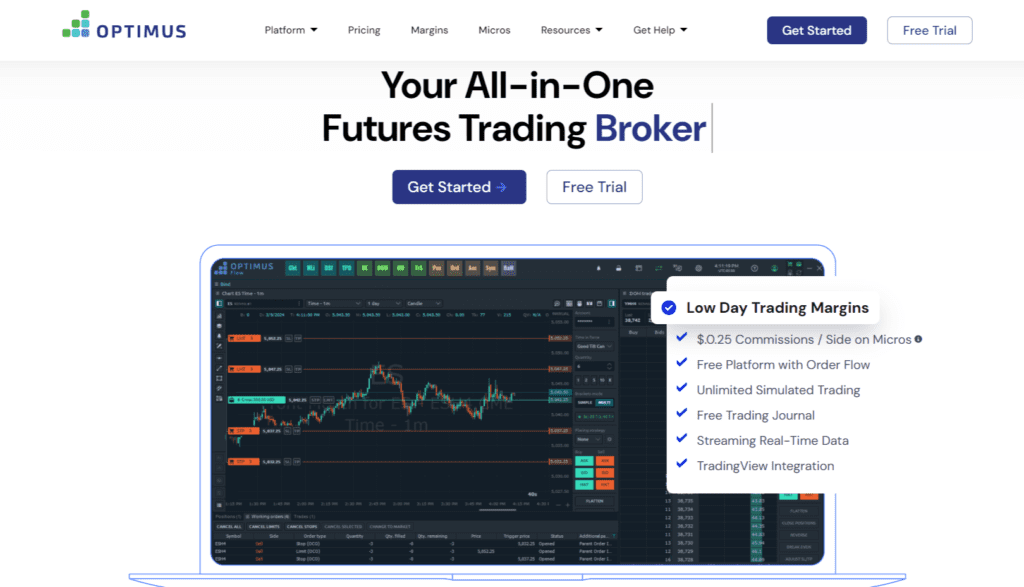
Optimus Futures is a futures brokerage that provides access to US futures markets through a range of professional trading platforms. Instead of building its own proprietary interface, it connects traders to established third-party platforms and clearing firms.
The setup process reflects that approach. Account opening focuses on compliance, risk disclosures, and margin requirements before any trading begins. This can feel slow compared to app-based brokers, but it sets expectations early.
Once approved, traders select a trading platform and fund their account. Execution, data feeds, and order routing depend on the chosen platform and clearing arrangement rather than a single unified system.
Optimus Futures operates with a broker-style mindset:
- Access over simplicity
- Flexibility over guidance
- Control over automation
That philosophy shapes the entire experience.
Platform Choice and Trading Tools
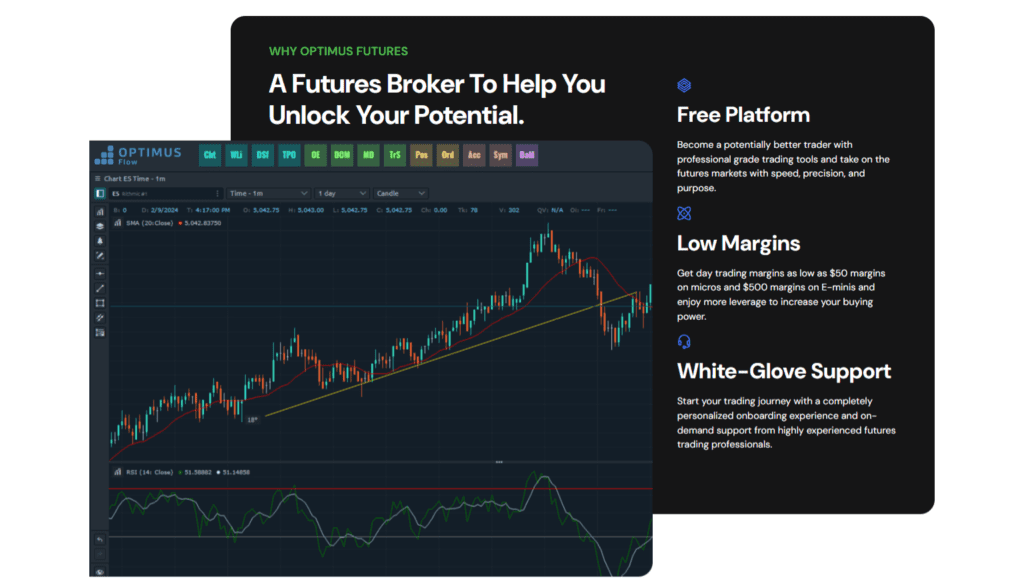
One of Optimus Futures’ defining features is platform choice. Instead of forcing users into one interface, it supports multiple well-known futures trading platforms.
Commonly supported platforms include:
- NinjaTrader
- Sierra Chart
- TradingView (via integration)
- CQG-based platforms
- MetaTrader (for certain setups)
Each platform offers different strengths. Some focus on advanced charting. Others prioritize execution speed or customization. Traders choose based on personal preference rather than being locked into a single workflow.
This flexibility appeals to experienced traders who already know what they want. Newer traders, however, may find the decision overwhelming. Platform setup, data subscriptions, and configuration require research and patience.
There is no “default” beginner path. Optimus Futures assumes users are comfortable making technical choices.
Interface and Learning Curve
The interface experience depends almost entirely on the selected platform. Optimus Futures itself does not present a unified dashboard for trading activity.
That means:
- No single app view for all users
- No guided onboarding inside the trading interface
- No simplified trading mode
Instead, learning happens through platform documentation, tutorials, and personal experimentation.
For traders familiar with futures markets, this is not a drawback. It allows full control over chart types, order routing, and execution settings. For less experienced users, the learning curve can feel steep.
Mistakes are easier to make when tools are powerful. Optimus Futures does not soften that reality. It expects users to understand margin, leverage, and contract specifications before trading.
Fees, Commissions, and Cost Structure
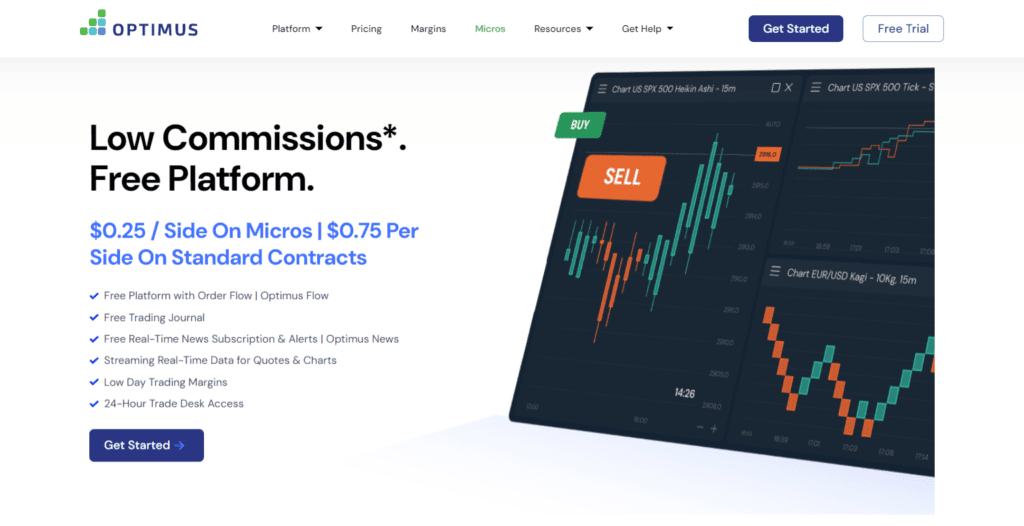
Cost transparency is one of Optimus Futures’ strongest points. The brokerage emphasizes competitive commissions and clear fee breakdowns rather than bundled pricing.
Typical costs include:
- Commission per contract
- Exchange fees
- Clearing fees
- Data fees (platform-dependent)
These fees are clearly shown and vary by platform, clearing firm, and trading volume. High-volume traders often benefit from lower per-contract commissions.
There are no hidden spreads or markup-driven pricing models. What traders pay reflects actual exchange and service costs.
However, low commissions do not necessarily mean a lower overall cost for everyone. Data subscriptions and platform licensing can add up, especially for traders using premium tools.
Optimus Futures makes costs visible, but it expects users to evaluate them carefully.
Market Access and Supported Instruments
Optimus Futures focuses primarily on futures markets. It does not attempt to be a multi-asset brokerage offering stocks, options, or crypto under one roof.
Supported markets typically include:
- Equity index futures
- Commodity futures
- Energy futures
- Currency futures
- Interest rate futures
This narrow focus benefits traders who specialize. Market depth, execution reliability, and order handling remain the priority.
The platform does not cater to casual investors or long-term holders. Futures trading is inherently active and leveraged, and Optimus Futures does not soften those risks.
Traders looking for diversification across asset classes may need additional brokerages alongside it.
Risk Management and Margin Requirements
Risk management at Optimus Futures follows exchange and clearing firm standards. Margin requirements are enforced strictly and can change during volatile market conditions.
Intraday margins may be lower than overnight margins, depending on the product and market environment. Traders must monitor positions carefully, especially near session close.
Risk controls include:
- Margin monitoring
- Forced liquidation when requirements are breached
- Account alerts depending on platform setup
Optimus Futures does not intervene to manage trades or reduce exposure automatically beyond required risk limits. Responsibility stays with the trader.
This approach suits disciplined traders who manage position sizing and drawdowns actively. It can be unforgiving for users who underestimate leverage.
Security, Reliability, and Execution Quality
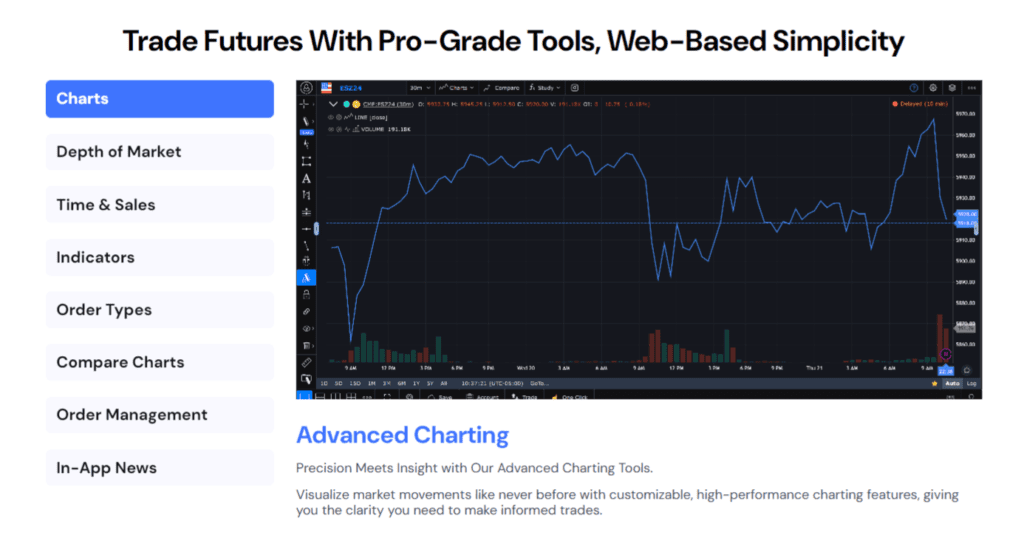
Security and reliability depend on the clearing firms and platforms connected through Optimus Futures. Funds are held with regulated clearing partners rather than within a proprietary ecosystem.
Execution quality generally aligns with professional futures standards:
- Direct market access
- Real-time data (with subscription)
- Low-latency order routing
System reliability is strong, though platform outages or exchange issues can still occur during extreme volatility. Communication during disruptions typically comes through platform providers and clearing firms rather than a centralized app notification.
Optimus Futures positions itself as an access provider, not a protective layer between the trader and the market.
Customer Support and Trader Assistance
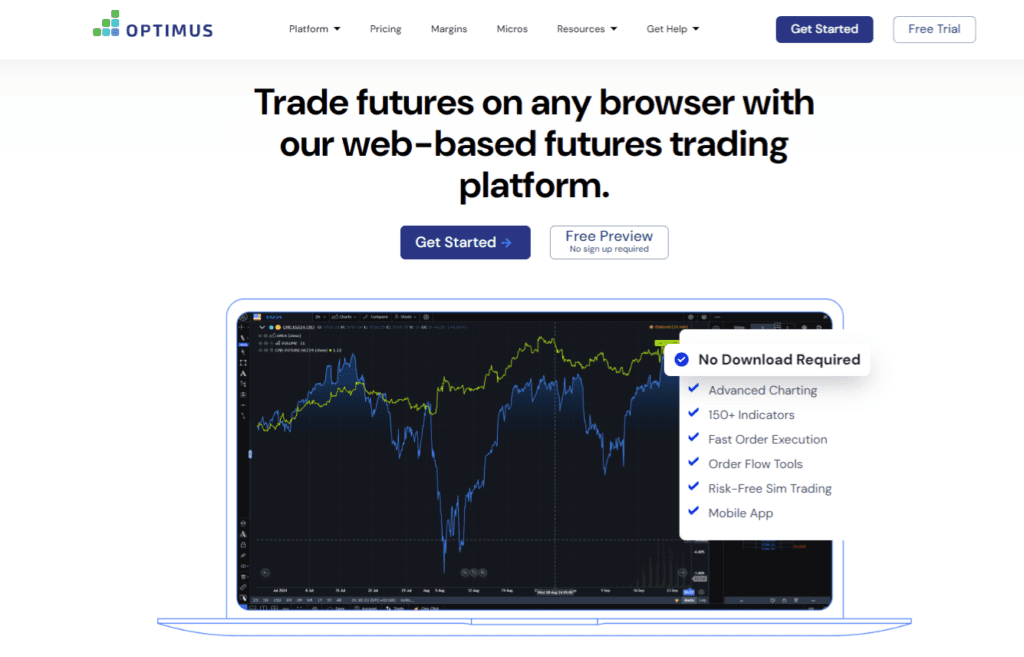
Customer support at Optimus Futures leans toward brokerage-level assistance rather than trading guidance.
Support typically helps with:
- Account setup
- Platform connections
- Margin questions
- Administrative issues
They do not offer trading advice or strategy coaching. Educational content exists, but it focuses more on platform usage and market mechanics than step-by-step trading lessons.
Response quality is generally solid, especially for technical or account-related issues. However, resolution times depend on the issue’s complexity and the involvement of third-party platforms.
This support model works best for self-directed traders who know what questions to ask.
Frequently Asked Questions
Does Optimus Futures Offer Paper Trading or Demo Accounts?
Paper trading availability depends on the selected platform. Many supported platforms offer simulation modes, but they are not managed directly by Optimus Futures.
Is Optimus Futures Suitable for Beginners?
It can be used by beginners, but it is not beginner-friendly by design. New traders must invest time in learning the mechanics of futures trading and setting up their platforms.
What Is the Minimum Deposit to Open an Account?
Minimum deposits vary depending on account type, clearing firm, and trading goals. Traders should confirm requirements during the application process.
Can Optimus Futures Be Used Internationally?
Optimus Futures accepts international clients in many regions, but availability depends on local regulations and compliance checks.
Final Thoughts
Optimus Futures focuses on access, flexibility, and transparency rather than convenience. It offers professional-grade tools without forcing traders into a single system or workflow.
The platform does not simplify futures trading or soften its risks. Instead, it provides the infrastructure and expects traders to bring knowledge, patience, and responsibility.
For those who already understand futures markets and want control over execution and costs, Optimus Futures delivers a reliable environment. For everyone else, the learning curve may feel demanding.
It is a brokerage built for traders who already know why they are there.