


Online investing has increasingly moved toward platforms that emphasize low costs, fast execution, and technology-driven tools.
For self-directed investors, the appeal often lies in having commission-free access to core markets alongside data and analysis features that support independent decision-making.
Webull is a digital brokerage platform built around commission-free trading and a proprietary, analytics-focused interface.
It is widely used by investors and traders who prefer to manage their own strategies while maintaining access to real-time market data and advanced charting tools.
What Is Webull?

Webull is a U.S.-based online brokerage platform that provides trading and investing services through regulated entities.
The company focuses on execution and market access rather than advisory or managed investment services, meaning users are fully responsible for their own trading and investment decisions.
The platform operates primarily as a self-directed brokerage and is designed to support active engagement with the markets.
Webull does not offer personalized financial advice, robo-advisory portfolios, or discretionary account management.
Tradable Assets and Market Access
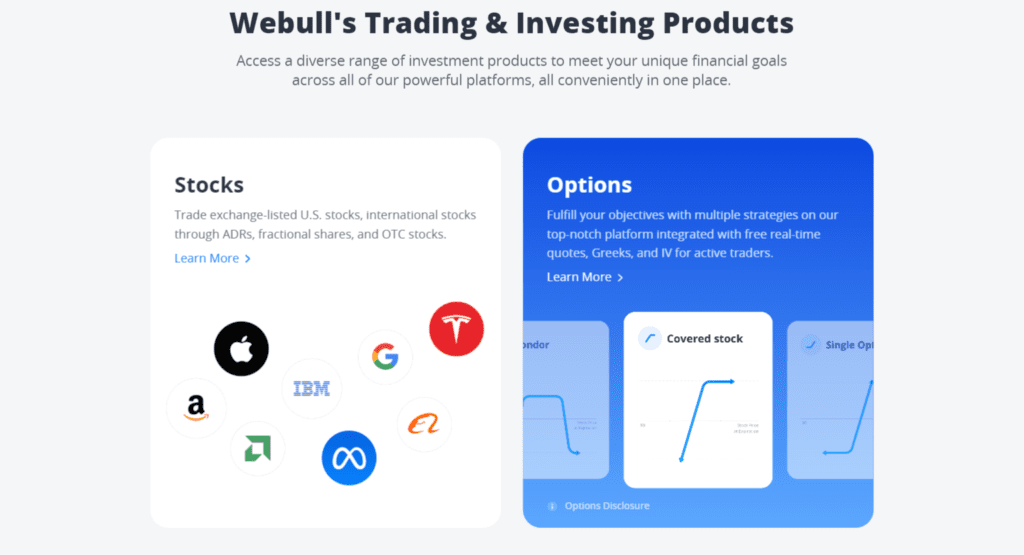
Webull offers commission-free trading on U.S. stocks, exchange-traded funds (ETFs), and listed options. Fractional share trading is available, allowing users to invest smaller amounts into higher-priced securities.
In supported regions, Webull also provides access to cryptocurrency trading, futures contracts, and certain fixed-income products such as U.S. Treasury bonds.
Availability of these products depends on the user’s location and the specific Webull entity servicing the account.
All trading is conducted through Webull’s proprietary platform, with market access structured to support both short-term trading activity and longer-term investing.
Platform Features and Tools
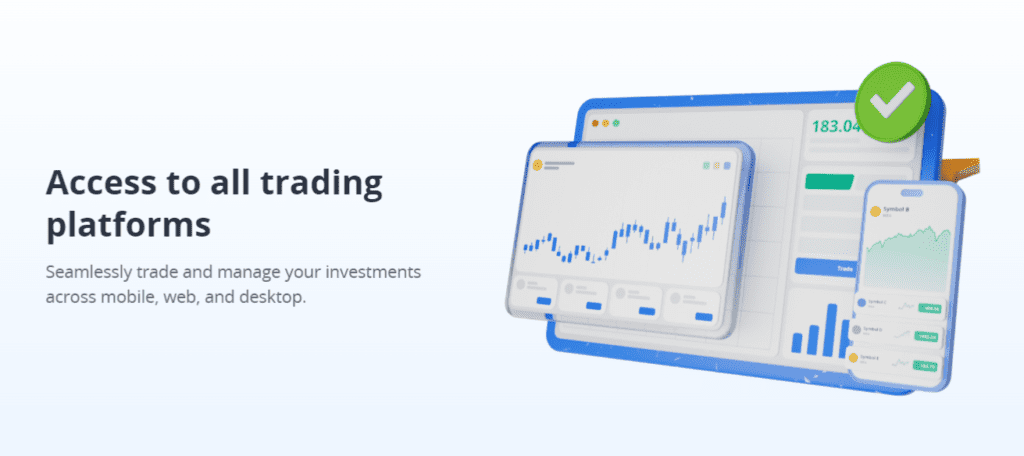
Webull’s platform is available across mobile devices, desktop software, and web browsers, offering a consistent experience regardless of how users access their accounts.
The interface emphasizes real-time pricing, technical analysis, and customizable charts.
Users can apply multiple indicators, set alerts, and monitor watchlists directly within the platform. Webull also includes paper trading functionality, which allows users to simulate trades using virtual funds.
Educational content and in-app explanations are available to support users who want to learn more about trading mechanics, order types, and market behavior over time.
Fees and Cost Structure
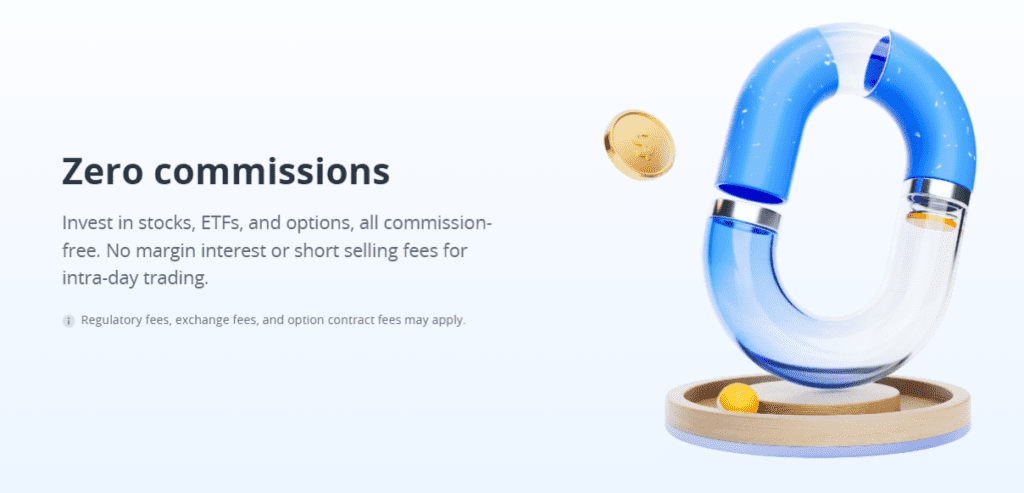
Webull is positioned as a low-cost brokerage with a straightforward pricing model. The platform does not charge commissions on stock, ETF, or options trades, and there are no account maintenance or inactivity fees.
Certain products, such as futures trading or cryptocurrency services, may involve standard exchange, regulatory, or clearing fees.
These costs are disclosed within the platform before execution. Overall, Webull’s pricing structure is designed to minimize barriers to entry while maintaining transparency around applicable charges.
Regulation and Security
Webull operates under regulatory oversight in the jurisdictions where it offers brokerage services.
In the United States, Webull is registered with the Securities and Exchange Commission (SEC) and is a member of the Financial Industry Regulatory Authority (FINRA).
Eligible client accounts are covered by Securities Investor Protection Corporation (SIPC) insurance, which protects securities up to applicable limits in the event of broker insolvency. Like other regulated brokers, Webull implements security measures such as encryption and two-factor authentication to help protect user accounts and data.
User Experience and Account Access
Webull is often described as combining accessibility with depth. Many users value having advanced charting and real-time data integrated into a commission-free environment, particularly for active trading and market monitoring.
The platform’s feature set may feel more complex than simplified investing apps that focus solely on long-term investing.
However, tools like paper trading and educational resources help users become familiar with the interface and trading mechanics at their own pace.
Overall, the experience tends to suit users who are comfortable engaging directly with market data and managing their own positions.
Who Webull Is Best For
Webull is designed for users who want direct market access and control over their trading decisions.
Rather than offering guided investing or advisory services, the platform focuses on tools, data, and execution, which naturally aligns it with certain types of investors and traders.
Self-Directed Investors
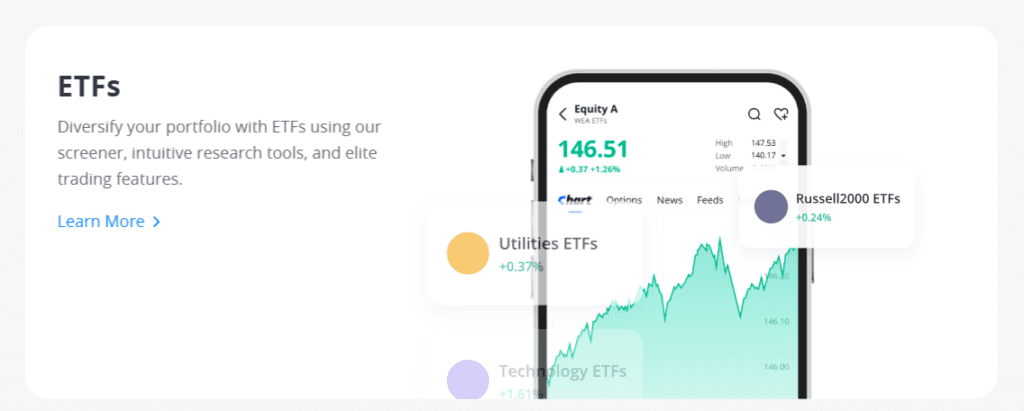
Webull works well for investors who prefer to research, analyze, and manage their own positions. Its commission-free structure and access to stocks, ETFs, and fractional shares support independent portfolio building without added cost pressure.
Active Traders and Market Watchers
The platform’s real-time data, advanced charting, and customizable indicators appeal to users who actively monitor price movements and trade more frequently. These tools are especially useful for traders who rely on technical analysis.
Cost-Conscious Users
With no commissions on stocks, ETFs, or options and no account maintenance fees, Webull suits users who want to minimize trading costs while retaining access to robust features.
Users Comfortable With Trading Platforms
Webull is best suited to users who are comfortable navigating trading interfaces and using analytical tools. While learning resources are available, the platform’s depth is most beneficial to those willing to engage with its features rather than seeking a simplified, hands-off experience.
Frequently Asked Questions
What Can You Trade on Webull?
Webull offers commission-free trading on U.S. stocks, ETFs, and options, with access to fractional shares and additional products such as cryptocurrencies and futures where available.
Does Webull Charge Commissions or Account Fees?
Webull does not charge commissions on stocks, ETFs, or options, and there are no account maintenance or inactivity fees. Some products may involve standard exchange or regulatory fees.
Is Webull a Regulated Brokerage?
Yes. In the United States, Webull is regulated by the SEC and FINRA, and eligible accounts are protected by SIPC insurance up to applicable limits.
Is Webull Suitable for Long-Term Investing?
Webull can be used for long-term investing, particularly for users who prefer a self-directed approach and want access to stocks, ETFs, and analytical tools in one platform.
Conclusion
Webull is a technology-driven brokerage platform built around commission-free trading and self-directed investing.
Its combination of broad market access, analytical tools, and transparent pricing defines its role in the modern brokerage landscape.
Rather than offering guided investing or advisory services, Webull focuses on giving users control, data, and execution capabilities.
For investors and traders who value cost efficiency and hands-on market engagement, Webull presents a structured and accessible option within a regulated framework.